
Insurance for vessels leaving Ukrainian ports loaded with grains skyrockets
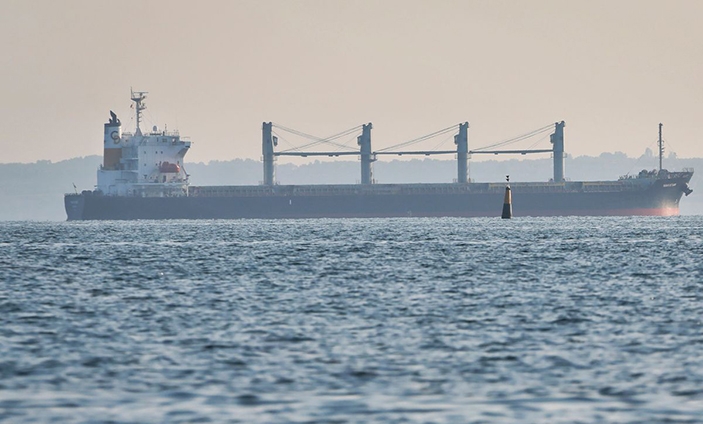
London’s insurance industry is gearing up to cover Ukrainian grain and fertilizer shipments via a safe corridor, which could require up to US$50 million per insured cargo, industry sources said this week.
In effect, London’s marine insurance market has put the Black Sea region on its high-risk list, and insurance costs have soared.
For each voyage, ships will need separate layers of coverage, including for the cargo and the vessel itself, known as hull and machinery coverage. An additional fee is also charged by subscribers to enter such areas.
Lloyd’s insurer Ascot and brokerage Marsh have launched a mechanism for grain traders to provide up to US$ 50 million in cargo coverage for each voyage, according to Marsh’s global head of shipping and cargo, Marcus Baker.
“We’ve had some inquiries over the last couple of days, and we expect this to gain traction,” Mr. Baker explained, adding that US$50 million is more than enough for most grain shipments.
While there are issues to be resolved related to the corridor and ports, Baker explained that “the fact that we have this in place means that when something happens, we can move.”
Baker declined to comment on pricing but said the system would include a “no claims bonus” — a refund for a hassle-free trip.
The first grain ship to leave a Ukrainian port since Russia invaded on February 24, following a deal brokered by Ankara, Moscow and the United Nations, passed through the Bosphorus after the inspection ended last Wednesday. That same day three vessels loaded with corn left from Ukrainian ports in the Black Sea towards the Bosphorus. She was the first of a long list of another sixteen waiting depart.
Source: Mercopress
Allianz: Shipping losses fall, but Ukraine war, costly issues with large vessels, the shipping boom, and sustainability concerns muddy the waters
The international shipping industry is responsible for the carriage of around 90% of world trade, so vessel safety is critical. The sector continued its long-term positive safety trend over the past year but Russia’s invasion of Ukraine, the growing number of costly issues involving larger vessels, crew and port congestion challenges resulting from the shipping boom, and managing challenging decarbonization targets, means there is no room for complacency, according to marine insurer Allianz Global Corporate & Specialty SE’s (AGCS)Safety & Shipping Review 2022
“The shipping sector has demonstrated tremendous resilience through stormy seas in recent years, as evidenced by the boom we see in several parts of the industry today,” says Captain Rahul Khanna, Global Head of Marine Risk Consulting at AGCS. “Total losses are at record lows – around 50 to 75 a year over the last four years compared with 200+ annually in the 1990s. However, the tragic situation in Ukraine has caused widespread disruption in the Black Sea and elsewhere, exacerbating ongoing supply chain, port congestion, and crew crisis issues caused by the Covid-19 pandemic. At the same time, some of the industry’s responses to the shipping boom, such as changing the use of, or extending the working life of, vessels also raise warning flags. Meanwhile, the increasing number of problems posed by large vessels, such as fires, groundings and complex salvage operations, continue to challenge ship owners and their crews.”
The annual AGCS studyanalyzes reported shipping losses and casualties (incidents) over 100 gross tons. During 2021, 54 total losses of vessels were reported globally, compared with 65 a year earlier. This represents a 57% decline over 10 years (127 in 2012), while during the early 1990s the global fleet was losing 200+ vessels a year. The 2021 loss total is made more impressive by the fact that there are an estimated 130,000 ships in the global fleet today, compared with some 80,000 30 years ago. Such progress reflects the increased focus on safety measures over time through training and safety programs, improved ship design, technology and regulation.
According to the report, there have been almost 900 total losses over the past decade (892). The South China, Indochina, Indonesia, and the Philippines maritime region is the main global loss hotspot, accounting for one-in-five losses in 2021 (12) and one-in-four-losses over the past decade (225), driven by factors including high levels of trade, congested ports, older fleets, and extreme weather. Globally, cargo ships (27) account for half of vessels lost in the past year and 40% over the past decade. Foundered (sunk/submerged) was the main cause of total losses over the past year, accounting for 60% (32).
While total losses declined over the past year, the number of reported shipping casualties or incidents rose. The British Isles saw the highest number (668 out of 3,000). Machinery damage accounted for over one-in-three incidents globally (1,311), followed by collision (222) and fires (178), with the number of fires increasing by almost 10%.
Ukraine impact: safety and insuranceThe shipping industry has been affected on multiple fronts by Russia’s invasion of Ukraine, with the loss of life and vessels in the Black Sea, disruption to trade, and the growing burden of sanctions. It also faces challenges to day-to-day operations, with knock-on effects for crew, the cost and availability of bunker fuel, and the potential for growing cyber risk.
The invasion has further ramifications for a global maritime industry already facing shortages. Russian seafarers account for just over 10% of the world’s 1.89 million workforce, while around 4% come from Ukraine. These seafarers may struggle to return home or rejoin ships at the end of contracts. Meanwhile, a prolonged conflict is likely to have deeper consequences, potentially reshaping global trade in energy and other commodities. An expanded ban on Russian oil could contribute to pushing up the cost of bunker fuel and impacting availability, potentially pushing ship owners to use alternative fuels. If such fuels are of substandard quality, this may result in machinery breakdown claims in future. At the same time, security agencies continue to warn of a heightened prospect of cyber risks for the shipping sector such as GPS jamming, Automatic Identification System (AIS) spoofing and electronic interference.
“The insurance industry is likely to see a number of claims under specialist war policies from vessels damaged or lost to sea mines, rocket attacks and bombings in conflict zones,” explains Justus Heinrich, Global Product Leader, Marine Hull, at AGCS. “Insurers may also receive claims under marine war policies from vessels and cargo blocked or trapped in Ukrainian ports and coastal waters.”
The evolving range of sanctions against Russian interests presents a sizeable challenge. Violating sanctions can result in severe enforcement action, yet compliance can be a considerable burden. It can be difficult to establish the ultimate owner of a vessel, cargo or counterparty. Sanctions also apply to various parts of the transport supply chain, including banking and insurance, as well as maritime support services, which makes compliance even more complex.
A burning issue: fires on boardDuring the past year, fires on board the roll-on roll-off (ro-ro) car carrier Felicity Ace and the container ship X-Press Pearl both resulted in total losses. Cargo fires are indeed a priority concern. There have been over 70 reported fires on container ships alone in the past five years, the report notes. Fires often start in containers, which can be the result of non-/mis-declaration of hazardous cargo, such as chemicals and batteries – around 5% of containers shipped may consist of undeclared dangerous goods. Fires on large vessels can spread quickly and be difficult to control, often resulting in the crew abandoning ship, which can significantly increase the final cost of an incident.
Fires have also become a major loss driver for car carriers. Among other causes, they can start in cargo holds, caused by malfunctions or electrical short circuits in vehicles, while the open decks can allow them to spread quickly. The growing numbers of electric vehicles (EVs) transported by sea brings further challenges, given existing counter-measure systems may not respond effectively in the event of an EV blaze. Losses can be expensive, given the value of the car cargo and the cost of wreck removal and pollution mitigation.
When large vessels get into trouble, emergency response and finding a port of refuge can be challenging. Specialist salvage equipment, tugs, cranes, barges and port infrastructure are required, which adds time and cost to a response. The X-Press Pearl, which sank after it was refused refuge by two ports following a fire – the ports were unable or unwilling to discharge a leaking cargo of nitric acid – is one of several incidents where container ships have had difficulty finding a safe haven. Meanwhile, the salvage operation for the car carrier Golden Ray, which capsized in the US in 2019, took almost two years and cost in excess of $800mn.
“Too often, what should be a manageable incident on a large vessel can end in a total loss. Salvage is a growing concern. Environmental concerns are contributing to rising salvage and wreck removal costs as ship owners and insurers are expected to go the extra mile to protect the environment and local economies,” says Khanna. “Previously, a wreck might have been left in-situ if it posed no danger to navigation. Now, authorities want wrecks removed and the marine environment restored, irrespective of cost.”
Higher salvage costs, along with the burden of larger losses more generally, are a cost increasingly borne by cargo owners and their insurers. “’General average’, the legal process by which cargo owners proportionately share losses and the cost of saving a maritime venture, has become a frequency event, as well as a severity event, with the increase in the number of large ships involved in fires, groundings and container losses at sea compared with five years ago,” explains Régis Broudin, Global Head of Marine Claims at AGCS. It was declared in both the Ever Forward and Ever Given incidents. The large container ship Ever Forward ran aground in the US in March 2022, and was stuck for over a month before it was freed, almost a year to the day after its sister vessel, Ever Given blocked the Suez Canal.
Post-pandemic world brings new risk challengesWhile the Covid-19 pandemic resulted in few direct claims for the marine insurance sector, the subsequent impact on crew welfare and the boom in shipping and port congestion raises potential safety concerns. Demand for crew is high, yet many skilled and experienced seafarers are leaving the industry. A serious shortfall of officers is predicted within five years.
For those who remain, morale is low as commercial pressures, compliance duties and workloads are running high. Such a work situation is prone to mistakes – 75% of shipping incidents involve human error, AGCS analysis shows.
The economic rebound from Covid-19 lockdowns has created a boom time for shipping, with record increases in charter and freight rates. While this is a positive for shipping companies, higher freight rates and a shortage of container ship capacity are tempting some operators to use bulk carriers, or consider converting tankers, to transport containers. The use of non-container vessels to carry containers raises questions around stability, firefighting capabilities, and securing cargo. Bulk carriers are not designed to carry containers, which could impact their maneuvering characteristics in bad weather, and crew may not be able to respond appropriately in an incident.
With demand for shipping high, some owners are also extending the working life of vessels. Even before the pandemic, the average age of vessels was rising. Although there are many well-managed and maintained fleets composed of older vessels, analysis has shown older container and cargo vessels (15 to 25 years old) are more likely to result in claims, as they suffer from corrosion, while systems and machinery are more prone to breakdown. The average age of a vessel involved in a total loss over the past 10 years is 28.
Shipping bottlenecks and port congestionCovid-19 measures in China, a surge in consumer demand, and the Ukraine invasion have all been factors in ongoing unprecedented port congestion which puts crews, port handlers and facilities under additional pressure.
“Loading and unloading vessels is a particularly risky operation, where small mistakes can have big consequences. Busy container ports have little space, while the experienced labor required to handle the containers properly is in short supply. Add in fast turnaround times and this may result in a heightened risk environment,” explains Heinrich.
Climate change: transition problemsWith momentum gathering behind international efforts to tackle climate change, the shipping industry is coming under increasing pressure to accelerate its sustainability efforts, the report notes, given its greenhouse gas emissions grew by around 10% between 2012 and 2018.
Decarbonization will require big investments in green technology and alternative fuels. A growing number of vessels are already switching to liquefied natural gas (LNG), while other alternative fuels are under development, including ammonia, hydrogen and methanol, as well as electric-powered ships. The transition to alternative fuels will likely bring heightened risk of machinery breakdown claims, among other risks, as new technology beds down and as crews adapt to new procedures.
Danaos Corporation Announces $1 Billion in Incremental Contracted Revenues and Sale Proceeds Through New Charter Arrangements for 11 Vessels and the Agreement to Sell 2 Vessels
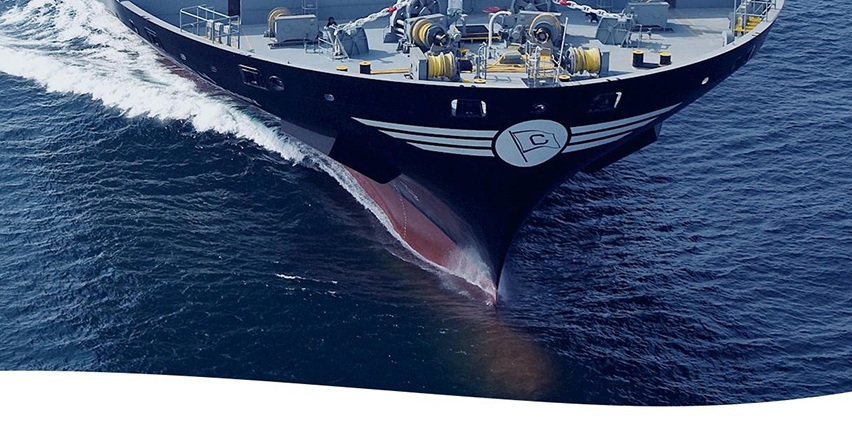
Danaos Corporation, one of the world’s largest independent owners of containerships, announced that it has entered into new charter arrangements for 11 of its vessels ranging between 2,500 to 10,000 TEU with major liner companies, that significantly improve cash flow visibility and charter coverage. These charters, which have a revenue weighted average contract duration of 4.7 years commence on the expiration of the vessels’ existing charters between February 2022 and April 2023 and extend up to May 2028.
The new charters increase the Company’s contracted revenue backlog by approximately $870 million, or by approximately $700 million in contracted EBITDA. Inclusive of these charters, total contracted operating revenue was $2.8 billion as of December 31, 2021, with a remaining average contracted charter duration of four years, weighted by aggregate contracted charter revenue. Additionally, contract coverage in terms of operating days is now 95% for 2022, 77% for 2023 and 57% for 2024.
The Company has also entered into an agreement to sell two 20-year-old 6,422 TEU vessels for a total consideration of $130 million and are expected to be delivered to their buyer in November 2022. The Company acquired these two vessels as part of the consolidation of Gemini Shipholdings Corporation on July 1, 2021, based on a fair value of $73 million, and expects to book a healthy profit when the sale is completed.
The Company’s CEO, Dr. John Coustas commented:
“We are very pleased to announce the continued improvement of our contracted backlog with multi-year charters for 11 of our vessels and the profitable sale of two older vessels. The combined result is up to $1 billion of contracted revenue accretion and sales proceeds. These transactions significantly improve our liquidity and cash flow visibility for the next several years and further strengthen our balance sheet. We will continue to work to maximize our profitability and secure more accretive transactions with a focus on creating value for our shareholders.”
Euroseas Ltd. Announces New Charters For Two Of Its Vessels, M/V “Evridiki G” and M/V “EM Corfu”
Euroseas Ltd., an owner and operator of container vessels and provider of seaborne transportation for containerized cargoes, announced the extension of the charter of its container vessels M/V “Evridiki G” and a new time charter contract for its container vessel M/V “EM Corfu”. Specifically:
M/V “Evridiki G”, a 2,556 TEU vessel built in 2001, entered into a new time charter contract for a period of between a minimum of thirty-six and a maximum of thirty-eight months at the option of the charterer, at a daily rate of $40,000. The new rate will commence on February 1, 2022.M/V “EM Corfu”, a 2,556 TEU vessel built in 2001, entered into a new time charter contract for a period of between a minimum of thirty-six and a maximum of thirty-eight months at the option of the charterer, at a daily rate of $40,000. The new rate will commence upon completion of the vessel’s drydocking in mid-February 2022.
Aristides Pittas, Chairman and CEO of Euroseas commented: “We are very pleased to announce new charters for two of our vessels for periods of at least three years each at rates more than twice the levels of their existing employment. The new charters secure a minimum of $85m of contracted revenues and are expected to make an annualized EBITDA contribution in excess of $22.3m combined which is about $19m (or, at least, seven times) higher than their joint contribution over the last twelve months of about $3m. These new charters significantly improve both our profitability and cash flow visibility with our charter coverage for 2022 now exceeding 85% and for 2023 55%.
“Undoubtedly, the containership markets continue to show their strength and momentum as indicated by the rate and the duration of the above charters. We expect to be able to continue benefitting from the present strong market as there are another two of our vessels opening up for re-chartering within the next four months and, yet, another two vessels later in 2022. Furthermore, we started exploring chartering options for our two newbuildings which are expected to be delivered by the end of first and second quarters of 2023, respectively, as initially scheduled. If the present market levels continue, renewals of expiring charters should result in significant further increases in our profitability and employment coverage for the following years, providing a solid liquidity foundation for further growth of our company and rewards to our shareholders as our Board or Directors sees fit.”
Wan Hai Lines Confirmed Orders For 12 New Vessels
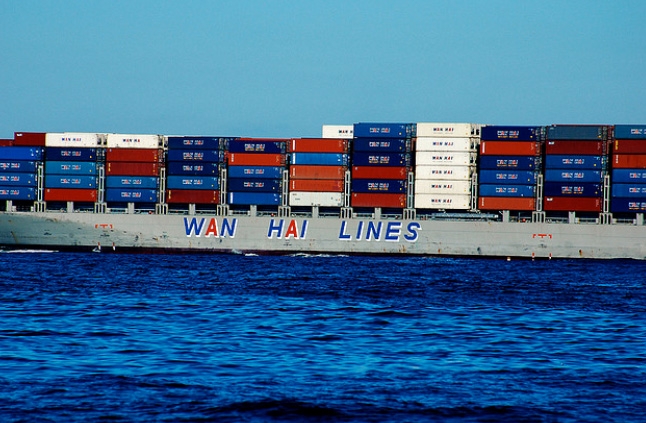
As part of the company’s fleet improvement plan, Wan Hai Lines has confirmed an order of twelve(12) 3055 Teu container vessels with Nihon Shipyard Co Ltd. (NSY) / Japan Marine United Corp (JMU). The contract was signed on 28th June 2021. These new vessels will start taking delivery in end of July of 2023.
Currently, Wan Hai Lines operates a fleet of 86 owned vessels and 64 chartered vessels. This new shipbuilding contract is the company’s latest fleet renewal plan, so as to ensure that the company’s vessel fleet is able to maintain competitive and support continuous market development. Eventually, the company hopes to deliver better service quality to its customers by more efficient vessel fleet.
Navios Maritime Partners L.P. Announces Delivery of Three Vessels
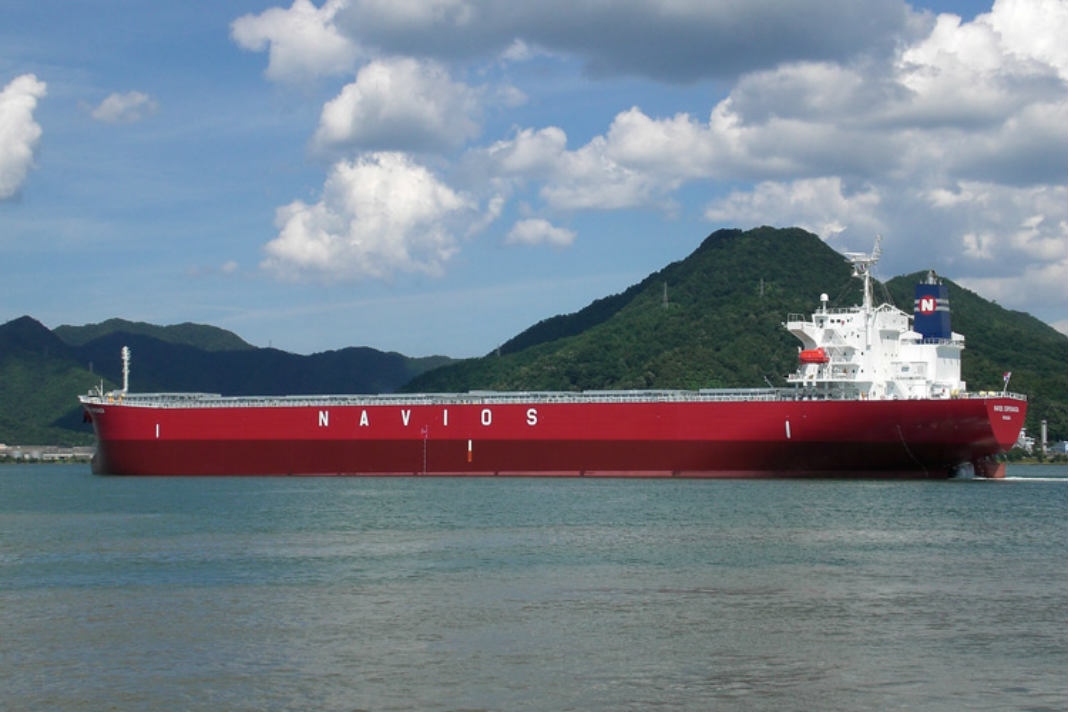
Navios Maritime Partners L.P. (“Navios Partners”) (NYSE: NMM), an international owner and operator of dry cargo vessels, announced that it has taken delivery of the following three drybulk vessels:
Navios Amitie – a 2021-built, Kamsarmax vessel with 82,002 dwt, was delivered into Navios Partners’ fleet on May 28, 2021. The vessel is chartered out at a rate of 110% of average Baltic Panamax Index (BPI 82) until May 2024. Based on BPI 82 weighted time charter average as of June 10, 2021, the vessel would earn approximately $31,720 per day.
Navios Star – a 2021-built Kamsarmax vessel with 82,037 dwt, was delivered into Navios Partners’ fleet on June 10, 2021. The vessel is chartered out at a rate of 110% of average Baltic Panamax Index (BPI 82) until June 2024. Based on BPI 82 weighted time charter average as of June 10, 2021, the vessel would earn approximately $31,720 per day.
Navios Koyo – a 2011-built Capesize vessel with 181,415 dwt, was delivered into Navios Partners’ fleet on June 4, 2021. The vessel was acquired for $28.5 million. The vessel is currently trading on the spot market. Based on BCI 5TC weighted time charter average as of June 10, 2021, the vessel would earn approximately $24,039 per day.
NMM’s fleet (on a delivered basis) consists of 89 vessels, of which 51 are dry bulk vessels and 38 are containerships. The fleet has total capacity of 8.2 million dwt.
Nordic Shipholding A/S: Negative equity due to further write down on vessels
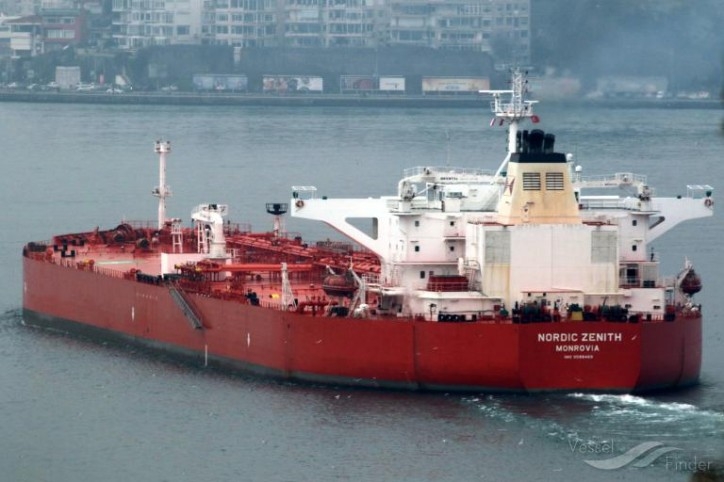
2020 started on a very positive note, where the Group enjoyed high Time Charter Equivalent (“TCE”) rates arising from the short-term surge in demand for tonnage caused by the COVID-19 pandemic and the oil price war which started in Q1 2020. However, TCE rates started spiralling downwards from May 2020, and continued to slide through the end of the year. Despite the sharp correction in the TCE rates in H2 2020, the average daily TCE rates earned in 2020 by the 5 vessels was approximately 21% higher than the average TCE rate earned in 2019.
Including the impairment losses of USD 6.1 million arising from the reclassification of Nordic Hanne and Nordic Pia to assets held-for-sale, and impairment losses of USD 14.9 million on the remaining vessels to fair market value, the Group incurred a loss after tax of USD 16.5 million in 2020 compared to a loss after tax of USD 3.9 million in 2019.
Apart from the additional impairment loss on the vessels, the actual results for 2020 was in line with the revised expectations of the Board, as indicated in the Company Announcement 11/2020 on 11 December 2020.
Given the healthy cash flows arising from the relatively strong product tanker market for most of 2020, the Group managed to pay down the loan liabilities by USD 14.8 million from a combination of cash sweep and loan amortization. However, despite the generally good operating performance, the Group’s equity was completely erased and entered into negative territory primarily due to the writing down of the carrying value of the rest of the fleet. Regardless of the Group’s negative equity, the Board remains optimistic that a merger may be consummated as active discussion with potential merger partners are progressing well.
In the event the merger discussion fails, it is management’s expectation that the lenders will finance the Company in a period longer than 31 December 2021 to secure an orderly sale of the vessels.
Euroseas Ltd. Announces New Charters for Two of Its Charters, M/V “Synergy Busan” and M/V “EM Kea”
Euroseas Ltd. (NASDAQ: ESEA, the “Company” or “Euroseas”), an owner and operator of container vessels and provider of seaborne transportation for containerized cargoes, announced the extension of the charter of its container vessels M/V “EM Kea” and a new time charter contract for its container vessel M/V “Synergy Busan”. Specifically:
The charter of M/V “EM Kea”, a 3,091 TEU vessel built in 2007, was extended for a period between a minimum of twenty-five and a maximum of twenty-eight months at the option of the charterer, at a daily rate of $22,000. The new rate will commence on April 25, 2021 about 2 months earlier than the latest expiration of the present charter.
M/V “Synergy Busan”, a 4,253 TEU vessel built in 2009, entered into a new time charter contract for a period of between a minimum of thirty-six and a maximum of forty months at the option of the charterer, at a daily rate of $25,000. The new rate will commence between June 9, 2021 and August 9, 2021 when the vessel will be redelivered from its current charterer.
Aristides Pittas, Chairman and CEO of Euroseas, commented: “We are very pleased to announce new charters for two of our vessels for periods of at least two and three years, respectively, at rates more than twice the levels of their existing employment. The new charters secure a minimum of $40m of contracted revenues and make an annualized EBITDA contribution of approximately $11.5m which is about $9.0m higher than, or 4.5 times, their present contribution of about $2.5m, significantly improving our profitability and cash flow visibility.
“Undoubtedly, the containership markets have had a remarkable run over the last six months with all factors in the marketplace suggesting continuing strength. After these two charters, seven of our fourteen vessels would be earning higher rates reflective of the recent market recovery. If the present market levels continue, renewals of the five remaining charters with legacy rates expiring in 2021 should result in significant further increase in our profitability. The cash flow generated would be available to further strengthen our balance sheet, be used for further investment or for reinstitution of dividends or a combination thereof, as always, at the discretion of our Board or Directors.”
Fleet Profile:
The Euroseas Ltd. fleet profile is as follows:
Notes:(*) TC denotes time charter. All dates listed are the earliest redelivery dates under each time charter unless the contract rate is lower than the current market rate in which cases the latest redelivery date is assumed; vessels with the latest redelivery date shown are marked by (+).(**)The CONTEX (Container Ship Time Charter Assessment Index) has been published by the Hamburg and Bremen Shipbrokers’ Association (VHBS) since October 2007. The CONTEX is a company-independent index of time charter rates for container ships. It is based on assessments of the current day charter rates of six selected container ship types, which are representative of their size categories: Type 1,100 TEU and Type 1,700 TEU with a charter period of one year, and the Types 2,500, 2,700, 3,500 and 4,250 TEU, all with a charter period of two years.
Wan Hai Lines Confirmed Orders For 12 New Vessels
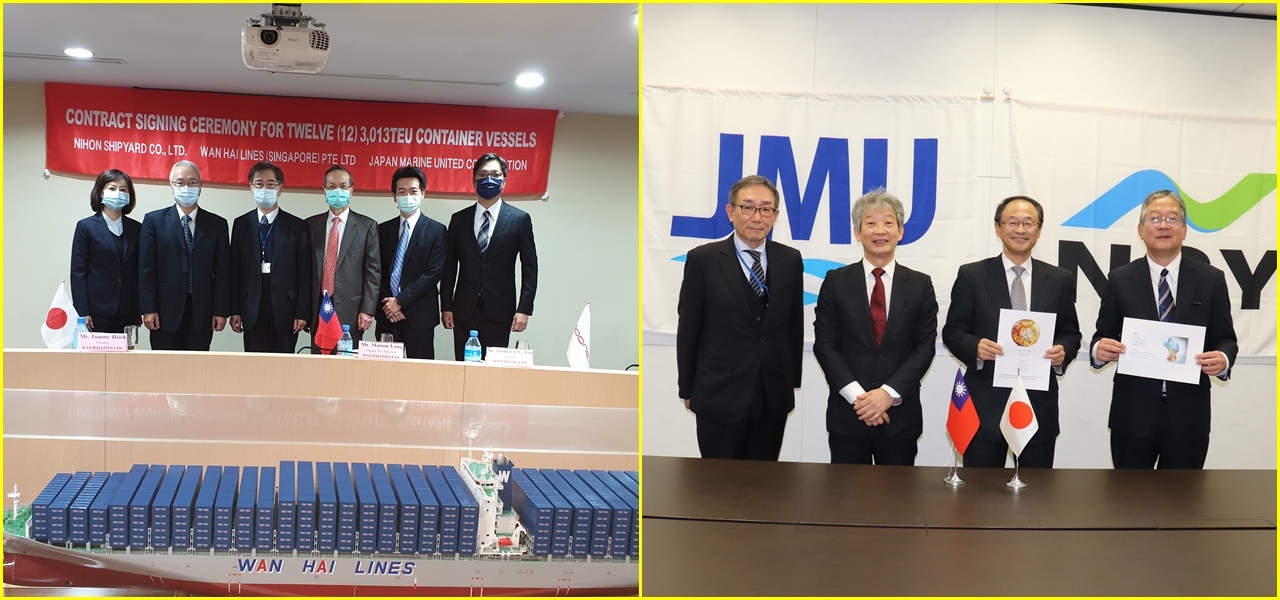
After its last order of 8 container ships from Japan Marine United Corporation (JMU) back in November 2018, Wan Hai Lines again contracted twelve new-build 3,013Teu ships with JMU/Nihon Shipyard Co Ltd. (NSY) today. This new series of vessels are expected to be delivered successively from end of October 2022.
As part of Wan Hai’s continuous efforts on providing quality shipping service to its customers, most advanced design specification will be employed to ensure higher energy efficiency with less air pollution. All twelve ships will be powered by more environmentally friendly main engines and generators both meet IMO Tier III standards in terms of NOx emission. In addition, Alternate Maritime Power (AMP) systems are also outfitted so as to enable shore power connection and thus can significantly reduce air pollution when the vessels are berthed.
This new order is part of Wan Hai’s fleet renewal plan. The new vessels will strengthen the company’s capacity to extend its market coverage and to serve its customers in a timely and reliable manner.
Diamond S Shipping Inc. Provides an Update on an Incident Involving One of Its Vessels
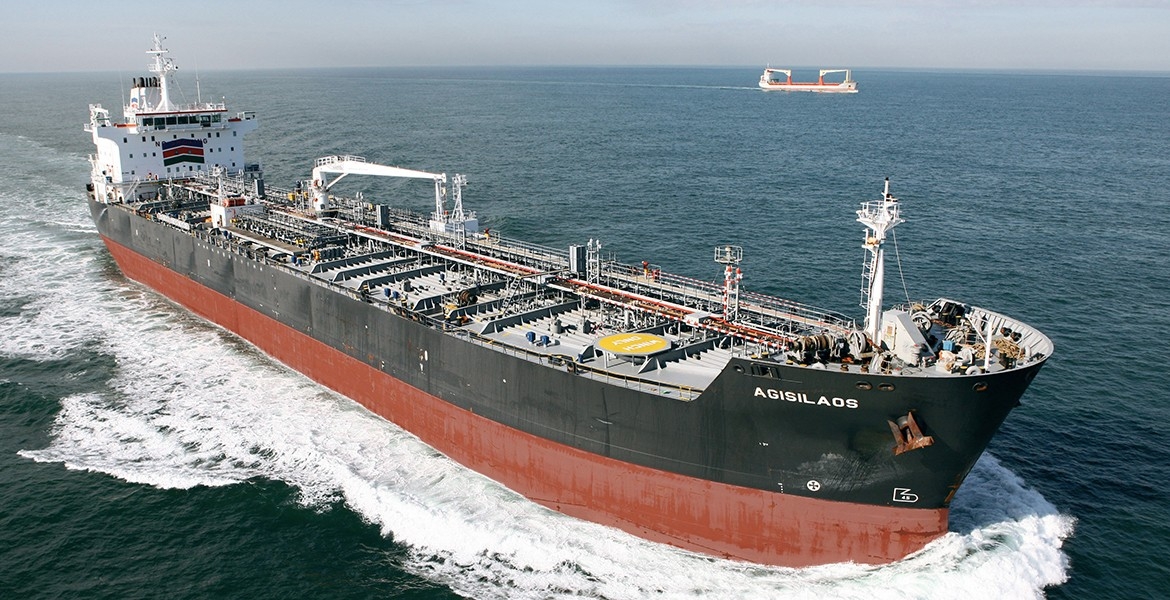
Diamond S Shipping Inc. announced that the four crew members who had been kidnapped from one of its product tanker vessels, the Agisilaos, on November 29, 2020 were released yesterday, January 6, 2021. All four crew members are safe and will undergo further medical examinations today. Diamond S would like to thank all those involved in securing their release. Due to the sensitive nature of the incident, Diamond S will provide no further updates on this matter.
Diamond S Shipping Inc. (NYSE Ticker: DSSI) owns and operates 65 vessels on the water, including 14 Suezmax vessels, one Aframax and 50 medium-range (MR) product tankers. Diamond S Shipping is one of the largest energy shipping companies providing seaborne transportation of crude oil and refined petroleum products in the international shipping markets.