
Costamare Inc. Announces Availability of Its First ESG Report
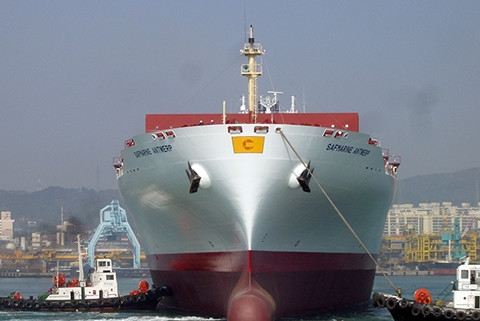
Costamare Inc., an international owner and provider of containerships for charter, announced availability of its first Environmental, Social, and Governance (“ESG”) report, for the year ended December 31, 2019 (the “ESG Report”). The ESG Report can be accessed on the Company’s website, www.costamare.com, in the “ESG” section.
The shipping industry is subject to strict regulations imposed by governmental authorities and regulatory agencies relating to ESG. For many years, and irrespective of the applicable regulations at any given point in time, we have been taking measures and adopting strict internal standards to protect the environment and safeguard the working conditions of our employees.
The ESG Report provides valuable insight to investors and other stakeholders into the Company’s operations during 2019, our current ESG policies and performance.
Costamare Inc. is one of the world’s leading owners and providers of containerships for charter. The Company has 46 years of history in the international shipping industry and a fleet of 72 containerships, with a total capacity of approximately 529,000 TEU, including two newbuild containerships currently under construction. Ten of our containerships have been acquired pursuant to the Framework Deed with York Capital Management by vessel-owning joint venture entities in which we hold a minority equity interest. The Company’s common stock, Series B Preferred Stock, Series C Preferred Stock, Series D Preferred Stock and Series E Preferred Stock trade on the New York Stock Exchange under the symbols “CMRE”, “CMRE PR B”, “CMRE PR C”, “CMRE PR D” and “CMRE PR E”, respectively.
5th BIMCO Report on the IMSBC Code Amendments entering into force – New Table of Characteristics
BIMCO started reporting from 30 September 2020, a series of articles, informing members of what to expect in the revised International Maritime Solid Bulk Cargoes (IMSBC) Code (Amendment 05-19), which will come into force on 1 January 2021. This is the 5th article in the series. Today, BIMCO reports on a new table of physical properties and hazard classification for cargo entries in the IMSBC Code.
A typical user of the IMSBC Code would be familiar with a table that appears in every cargo schedule of the said Code, listing out the following characteristics of the cargo in question:
• Angle of repose• Bulk density• Stowage factor• Size• IMO class• IMSBC Code Group classification
The current table of ‘Characteristics’ – a sample shown below will remain valid till 31 December 2020:Current table of Characteristics until 31 December 2020
Under the new Amendment 05-19, the table of “Characteristics” has completely changed and this is how it will look on 1 January 2021:New Table of Characteristics with effect from 1 January 2021
Two things should be noted in this new table:
• The top half of ” Physical properties” comprising the properties of ” size”, ” angle of repose”, “bulk density” and ” stowage factor” is non-mandatory.• The bottom half of ” Hazard classification” comprising of “class”, “subsidiary hazards”, “MHB” ( materials hazardous only in bulk) and “Group” is mandatory. “Class” and “Subsidiary hazards” are the classification criteria used for dangerous goods under the International Maritime Dangerous Goods ( IMDG) Code, which are also applied for dangerous goods carried in solid bulk form. “Group” refers to the general classification criteria used for classifying solid bulk cargoes in the IMSBC Code.
To see the various IMSBC Code classifications for solid bulk cargoes, please click on the following BIMCO Cargo Group listings:
BIMCO’S IMSBC Code Group A listing of Cargoes
BIMCO’s IMSBC Code Group B listing of cargoes
BIMCO’s IMSBC Code Group C listing of Cargoes
BIMCO’s IMSBC Code Group A and B listing of Cargoes
Members should also view the BIMCO Solid Bulk Cargo section’s landing page
ReCAAP: Report Piracy and Armed Robbery Against Ships in Asia January-September
A total of 75 incidents of piracy and armed robbery against ships (comprising 73 actual incidents and two attempted incidents) were reported in Asia during January-September 2020 compared to 54 incidents (comprising49 actual incidents and five attempted incidents) during January-September 2019.This accounts for an increase of 39% in the total number of incidents reported during January-September 2020 compared to the same period in 2019.
Of the 75 incidents, 71 were incidents of armed robbery against ships and four were piracy incidents. The increase of incidents during January-September 2020 occurred in Bangladesh, India, Indonesia, the Philippines, Vietnam, South China Sea and Singapore Strait. However, there was improvement at the ports/anchorages in China and Malaysia during January-September 2020 compared to the same period in 2019.
Of concern was the continued increase of incidents on board ships while underway in the Singapore Strait during January-September 2020 with 22 incidents, compared to 15 incidents during the same period in 2019.
The situation of abduction of crew in the Sulu-Celebes Seas and waters off Eastern Sabah remains a serious concern as demonstrated by the abduction incident on a fishingrawler on 17 Jan 20 off Lahad Datu, Sabah, Malaysia where five crew were abducted; and information of planned kidnapping by members of the Abu Sayyaf Group in Sabahand Semporna, Malaysia targeting ships passing by Tawi-Tawi and Sabah waters. On 29 Sep 20, the body of one of the five abducted crew from the fishing trawler was found during a military operation in Patikul, Sulu. Four crew are still held in captivity. Shipping companies are advised to follow the ReCAAP ISC’s ‘Guidance on Abduction of Crew in the Sulu-Celebes Seas and Waters off Eastern Sabah’ and maintain communication with the Operation Centres of the Philippines and Eastern Sabah Security Command(ESSCOM) of Malaysia.
Also of concern was the increase of the number of incidents at Manila and Batangasanchor ages/ports in the Philippines during January-September 2020 compared to the same period in 2019. The ReCAAP ISC has published a Special Report consisting of an Advisory on the measures to be taken by ship sanchored/berthed in the area, and the contact details of the local authorities
.In view of the increase of incidents in the locations as indicated in this Report, the ReCAAP ISC reiterates the need for law enforcement agencies to enhance surveillance, increase patrols and respond promptly to incidents reported by ships in order to arrest and prosecute the perpetrators. Ship masters and crew are strongly advised to exercise vigilance, maintain constant look out for suspicious boats in the vicinity, report allincidents immediately to the nearest coastal State, and implement preventive measures recommended in the ‘Regional Guide to Counter Piracy and Armed Robbery Against Ships in Asia’.
View Full Report
Piraeus Bank’s Report of the Board of Directors
REPORT OF THE BOARD OF DIRECTORS OF THE SOCIETE ANONYME UNDER THE NAME”PIRAEUS ΒΑΝΚ SOCIETE ANONYME” ON THE DEMERGER of “PIRAEUS INSURANCE AGENCY SOCIETE ANONYME”
BY WAY OF ABSORPTION BY “PIRAEUS BANK SOCIETE ANONYME” AND “ACCOUNTING CONSULTING & TAX SERVICES BUSINESS ADVISERS SOCIETE ANONYME” (in accordance with the provisions of article 55 para. 2, article 58 and article 140 para. 3 of Law 4601/2019, article 16 of Law 2515/1997, and the provisions of Law 4548/2018 as in force).
View The Report
Allianz Global Insurance Markets Report 2019: Αργή ανάκαμψη για την ελληνική ασφαλιστική αγορά
• H παραγωγή ασφαλίστρων παγκοσμίως αυξήθηκε κατά 3,3% φτάνοντας τα 3.655 δισεκατομμύρια ευρώ το 2018• Μειωμένη ανάπτυξη στην Κίνα, ενώ οι ΗΠΑ και η Ιαπωνία έδωσαν ώθηση στην παγκόσμια ανάπτυξη• Δυτική Ευρώπη: Καταγραφή αύξησης στον κλάδο Περιουσίας και Ατυχημάτων και επιστροφή σε προ κρίσης επίπεδα στον κλάδο Ασφαλίσεων Ζωής• Ελλάδα: Ανάπτυξη για τρίτη συνεχόμενη χρονιά – αλλά με μειωμένο ρυθμό
Σύμφωνα με τις προβλέψεις της Allianz Research, η παραγωγή των ασφαλίστρων παγκοσμίως σημείωσε αύξηση κατά τη διάρκεια του περασμένου έτους αγγίζοντας τα 3.655 δισεκατομμύρια ευρώ (εξαιρουμένων των ασφαλίσεων υγείας). Σε σύγκριση με το 2017, η αύξηση, προσαρμοσμένη ως προς τις συναλλαγματικές ισοτιμίες, ανέρχεται στο 3,3%.Ήταν η τρίτη συνεχόμενη χρονιά (ή η 12η τα τελευταία 15 χρόνια) κατά την οποία η παγκόσμια αύξηση της παραγωγής ασφαλίστρων εξακολουθεί να υστερεί έναντι της ανάπτυξης της οικονομικής δραστηριότητας (+ 5,7% το 2018). Η ασφαλιστική διείσδυση (τα ασφάλιστρα ως ποσοστό του ΑΕΠ) μειώθηκε κατά 5,4% – η χαμηλότερη τιμή των τελευταίων 30 ετών. Ενώ οι κίνδυνοι είναι άφθονοι, η προστασία από τους κινδύνους μειώνεται. Το 2018 ήταν η τρίτη συνεχόμενη χρονιά κατά την οποία η ανάπτυξη των ασφαλίσεων Περιουσίας & Ατυχημάτων ξεπέρασε την ανάπτυξη των ασφαλίσεων Ζωής παγκοσμίως (4,7% έναντι 2,5%).Ωστόσο, οι εξελίξεις αυτές δεν ήταν οι μόνες ιδιαιτερότητες του 2018. Ενώ η Δυτική Ευρώπη το 2016 και οι Ηνωμένες Πολιτείες το 2017 έβαλαν φρένο στην παγκόσμια ανάπτυξη, τον περασμένο χρόνο τον ρόλο αυτό ανέλαβε η Κίνα. Το αποτέλεσμα: Οι κινητήριες δυνάμεις στην παγκόσμια ανάπτυξη για το 2018 ήταν δύο παλιοί γνώριμοι: οι Ηνωμένες Πολιτείες (42%) και η Ιαπωνία (11%). Αντιθέτως, η Κίνα, ο κορυφαίος παράγοντας ανάπτυξης παλαιότερα και το 2017 υπεύθυνη περίπου για το 60% της παγκόσμιας ανάπτυξης, συνέβαλε μόλις κατά 4% το 2018. Η αιτία για αυτή την απογοητευτική επίδοση: H αγορά των ασφαλίσεων Ζωής συρρικνώθηκε στην Κίνα το 2018, ως αποτέλεσμα των κανονιστικών περιορισμών που επιβλήθηκαν στους ασφαλιστικούς διαμεσολαβητές που πωλούν προϊόντα διαχείρισης κεφαλαίου. «Το 2018 δεν σηματοδοτεί το τέλος της ιστορίας ανάπτυξης στην Ασία», σχολίασε ο Michael Heise, Επικεφαλής Οικονομολόγος της Allianz SE. «Αντιθέτως. Η αυστηρότερη επίβλεψη στην Κίνα είναι περισσότερο από επιθυμητή, σηματοδοτώντας την επόμενη φάση μιας πιο ισορροπημένης και βιώσιμης ανάπτυξης. Επιπλέον, η Κίνα δεν είναι πια συνώνυμη μόνο με την μεγάλη ανάπτυξη. Η τεχνολογική πρόοδος στην αγορά είναι αξιοσημείωτη. Η Κίνα είναι πρωτοπόρος στην εφαρμογή της τεχνητής νοημοσύνης, τις καινοτόμες λύσεις πληρωμών και τα ψηφιακά οικοσυστήματα. Η Κίνα είναι η αγορά που πρέπει να παρακολουθούμε, καθώς μας δείχνει το μέλλον του κλάδου μας». Το 2018, οι ευρωπαϊκές ασφαλιστικές εταιρείες κατέγραψαν μία αύξηση στα ασφάλιστρα της τάξης του 2,1%, με τη συνολική τους αξία να ξεπερνά, για πρώτη φορά, τα 1.000 δισεκατομμύρια ευρώ για πρώτη φορά. O κλάδος Περιουσίας σημείωσε ρεκόρ ανάπτυξης, αγγίζοντας το 3,1% – η μεγαλύτερη ανάπτυξη που έχει σημειωθεί μετά το 2003. Η παραγωγή ασφαλίστρων σε αυτόν τον κλάδο, στο τέλος του 2018 (328 δισεκατομμύρια ευρώ) ήταν σχεδόν 16% υψηλότερη από την προ κρίσης παραγωγή. Στον κλάδο Ζωής, από την άλλη, τα ασφάλιστρα αυξήθηκαν μόνο κατά 1,7%, αλλά αγγίζοντας τα 674 δισεκατομμύρια ευρώ πλησίασαν το προ κρίσης επίπεδο των 681 δισεκατομμυρίων του 2007. Αντίθετα, ενώ η ασφαλιστική διείσδυση στις ασφαλίσεις Περιουσίας παρέμεινε σε μεγάλο βαθμό σταθερή (2,1% το 2018 συγκριτικά με 2,3% το 2007), στις ασφαλίσεις Ζωής σημειώθηκε μεγάλη μείωση (από το 5,6% του 2007 στο 4,4%). Στην ελληνική ασφαλιστική αγορά, τα ασφάλιστρα (από ασφαλίσεις Περιουσίας και ασφαλίσεις Ζωής) αυξήθηκαν μόλις κατά 1,0% το 2018, έναντι 1,8% το 2017 και 8,2% το 2016. Ενώ οι ασφαλίσεις Ζωής έμειναν στάσιμες (0,1%), τα έσοδα από τις ασφαλίσεις Περιουσίας κατέγραψαν υποτονική αύξηση της τάξης του 1,9%. Παρά τα τρία συνεχόμενα χρόνια ανάπτυξης, η ελληνική αγορά έχει ακόμα μακρύ δρόμο να διανύσει για να φτάσει ξανά στα προ κρίσης επίπεδα του 2009: Η συνολική παραγωγή ασφαλίστρων εξακολουθεί να είναι 28% χαμηλότερη. Δεδομένης της πρόσφατης αναπτυξιακής δυναμικής, θα χρειαστούν άλλα εννέα χρόνια για να καλυφθούν πλήρως τα απολεσθέντα ασφάλιστρα. Η ελληνική αγορά υστερεί σε σχέση με την Ευρώπη και σε άλλους τομείς: τόσο η ασφαλιστική πυκνότητα (ασφάλιστρα κατά κεφαλή, 349 ευρώ) όσο και η ασφαλιστική διείσδυση (ασφάλιστρα ως ποσοστό του ΑΕΠ, 2,1%) στην Ελλάδα είναι μακράν τα χαμηλότερα στη Δυτική Ευρώπη και πολύ κάτω από τους μέσους όρους (2.395 ευρώ και 6,5% αντίστοιχα).Οι μακροπρόθεσμες προοπτικές, φαίνονται λίγο πιο αισιόδοξες. Η Allianz Research αναμένει ότι οι ασφαλιστικές αγορές θα συνεχίσουν να ανακάμπτουν, με την αύξηση της παραγωγής ασφαλίστρων παγκοσμίως να φτάνει το 5% την επόμενη δεκαετία (μετά το μάλλον απογοητευτικό 3% της προηγούμενης δεκαετίας). Δεδομένης της επιταχυνόμενης δημογραφικής αλλαγής, ιδίως στις αναδυόμενες αγορές με λιγότερο ανεπτυγμένα συστήματα κοινωνικής ασφάλισης, ο κλάδος των ασφαλίσεων Ζωής θα πρέπει και πάλι να σημειώσει ταχύτερη ανάπτυξη σε σύγκριση με τον κλάδο Περιουσίας & Ατυχημάτων (5,5% έναντι 4,4%). Οι προσδοκίες ανάπτυξης για την αγορά της Δυτικής Ευρώπης είναι αισθητά χαμηλότερες – η περιοχή θα πρέπει να επιτύχει ανάπτυξη περίπου 3% ετησίως κατά την επόμενη δεκαετία, τόσο στον κλάδο Ζωής όσο και στον κλάδο Περιουσίας & Ατυχημάτων. Η Ελλάδα, από την άλλη πλευρά, αντικατοπτρίζοντας τη δυναμική ανάπτυξης, θα πρέπει να αναπτυχθεί ταχύτερα, σχεδόν στο 4% ετησίως. Αυτό αποτελεί τεράστια βελτίωση έναντι της τελευταίας δεκαετίας (-2,3% ετησίως), όμως ο εντυπωσιακός ρυθμός ανάπτυξης της προ κρίσης εποχής (+10,5% ετησίως) παραμένει ανέφικτος προς το παρόν.Ο σημαντικότερος άγνωστος παράγων, ωστόσο, είναι η ψηφιοποίηση της ασφάλισης. «Η ασφαλιστική αγορά αντιμετωπίζει ένα δραστικό μετασχηματισμό που θα αναδιαμορφώσει το μέλλον του», σχολίασε η Patricia Pelayo, οικονομολόγος της Allianz Research. «Η τεχνητή νοημοσύνη και οι σχετικές τεχνολογίες ενσωματώνονται στην επιχειρηματική δραστηριότητα. Το ασφαλιστικό τοπίο βρίσκεται τα πρόθυρα μιας δραματικής αλλαγής. Ωστόσο, οι επιπτώσεις στην αύξηση ασφαλίστρων είναι ασαφείς: Η χαμηλότερη συχνότητα απαιτήσεων (από τη διαχείριση του κινδύνου έως την πρόληψή του) και η μείωση του κόστους λειτουργίας και διανομής δείχνουν μια επιβράδυνση της αύξησης ασφαλίστρων, ωστόσο, αντισταθμιστικές δυνάμεις, όπως η ευρύτερη πρόσβαση σε πελάτες και τα νέα προϊόντα (π.χ. ασφάλιση κατά των κυβερνοαπειλών) δείχνουν προς την αντίθετη κατεύθυνση. Είναι σχεδόν αδύνατο να προβλέψουμε ποια δύναμη θα επικρατήσει».
Ασφαλιστικές αγορές- Ασφάλιστρα Ζωής και Περιουσίας & Ατυχημάτων κατά κεφαλή*
Χώρα
Ασφάλιστρα κατά κεφαλή σε ευρώ
1
Χονγκ Κονγκ
7.180
2
Ελβετία
4.957
3
Δανία
4.744
4
Σιγκαπούρη
4.509
5
Ταιβάν
3.921
6
Ιρλανδία
3.609
7
Νορβηγία
3.470
8
Σουηδία
3.450
9
ΗΠΑ
3.412
10
Μεγάλη Βρετανία
3.289
31
Ελλάδα
349
36
Κίνα
294
*με βάση τις συναλλαγματικές ισοτιμίες του 2018
https://www.allianz.com/en/economic_research/research_data/global-insurance-map/
https://www.allianz.com/en/economic_research/publications/specials_fmo.html
Performance Shipping Inc. Reports First Quarter Net Loss of 0.2 million
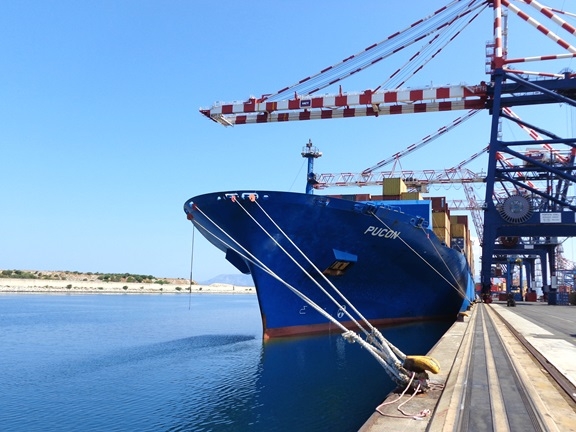
Performance Shipping Inc., a global shipping company specializing in the ownership of containerships, reported a net loss of $0.2 million for the first quarter of 2019, compared to a net loss of $3.9 million for the same period of 2018.
Time charter revenues were $5.5 million for the first quarter of 2019, compared to $8.0 million for the same period of 2018. This decrease was primarily due to the decrease in size of the Company’s fleet, and was partially offset by the increased time charter rates achieved as a result of improved market conditions.
As of May 9, 2019, the Company had 26,753,851 shares of common stock issued and outstanding. The Company has been advised by the Nasdaq Stock Market LLC (“Nasdaq”) that its common shares, which trade on the Nasdaq under the symbol “DCIX,” have regained compliance with the minimum bid price requirements under Nasdaq Listing Rule 5450(a)(1).
Full Report
Aviva reports UK profit rise for 2018
Combined operating ratio remained flat at 93.8%.
Aviva has posted a 4% rise in operating profit for the UK general insurance business to £415m in 2018 from £400m in 2017.
Its UK combined operating ratio (COR) remained flat at 93.8% for 2018 (2017: 93.9%), while it also reported a small rise in total net written premiums (NWP) in the UK to £4.19bn in 2018 (2017: £4.08bn).
Looking at commercial lines, NWP rose by 8% to £1.70bn (2017: £1.58bn), while commercial COR improved to 96.1% in 2018 from 96.7% in the preceding year.
Commercial motor saw a 4% increase in NWP to £532m (2017: £514m), and commercial lines non-motor NWP grew by 10% to £1.17bn in 2018 (2017: £1.06bn).
Personal linesIn personal lines NWP also remained relatively flat at £2.49bn (2017: £2.50bn), while its personal lines COR came in at 92.4% in 2018 (2017: 92.0%).
Personal motor saw a 1% decline in NWP to £1.12bn in 2018 (2017: £1.14bn), while personal non-motor NWP went up by 1% to £1.37bn, compared to £1.36bn in 2017.
On group level Aviva reported a COR of 96.6%, which is the same as last year, and NWP was also flat at £9.11bn in 2018 (2017: £9.14bn).
Operating profit for the whole group was £3.12bn in 2018, up by 2% from the £3.07bn reported last year.
Re-energiseAviva announced earlier this week that Maurice Tulloch was taking over the role of chief executive officer. He replaced Mark Wilson who left the provider in October last year.
Brokers welcomed the move, with many stating they were happy about the insurer’s decision to make an internal appointment.
Tulloch commented: “I am excited to be taking over as CEO of Aviva. We have strong foundations but we are only scratching the surface of our full potential. There’s a huge opportunity here.
“At the heart of it, it’s all about insurance fundamentals, delivering excellent customer experience, tackling complexity and injecting a different pace of change into Aviva. And that will be just the start. I am determined to re-energise Aviva and deliver long term growth for our shareholders.”
ProgressCommenting on the results, Sir Adrian Montague, chairman of Aviva, said: “Aviva made steady progress in 2018.
“We grew profits, had a record year for cash remittances and further increased our solvency cover ratio to 204%. As a result, the board has increased the full year dividend by 9% to 30.0 pence per share.”
He continued: “We increased profit in the UK, where we won more workplace pension schemes and bulk annuity deals, and across our international businesses, where we expanded and diversified our distribution.
“Aviva Investors had a more challenging year due to difficult investment markets and we have continued to invest in our asset management expertise.”
Source: insuranceage
ABN AMRO releases its second Human Rights Report
ABN AMRO today releases its second Human Rights Report, underpinned by the reporting guidelines of the UN Guiding Principles on Business and Human Rights.
The 2018 report features ABN AMRO’s progress on the human rights that are most at risk through the bank’s activities and business relationships: discrimination, privacy, labour rights and land-related human rights. It also describes the human rights path the bank has been on since 2011 – from theory to practice. Human rights is one of the key focus areas of ABN AMRO’s sustainability policy.
A significant part of the report is dedicated to people in vulnerable positions, be it retail clients with debt issues or children labouring in the supply chains of companies the bank finances. In other words, this ranges from people known to the bank, such as its clients and employees, to large groups of people that are not in direct contact with the bank.
The report also highlights instances in which ABN AMRO leads the industry or society at large, a case in point being its close collaboration with the Inspectorate of the Dutch Ministry of Social Affairs and Employment and the University of Amsterdam to track down human trafficking by analysing financial data.
Kees van Dijkhuizen, CEO of ABN AMRO, comments: “I’m proud of the steps we are taking, but mindful of the fact that the path from theory to practice is long and not without setbacks. While so much more needs to be done to protect human rights, I am hopeful. This optimism is largely driven by the collaboration we have seen and experienced both inside and outside our bank.”
Collaboration on human rights is essential, and by joining forces with clients, trade unions, inspectorates, governments, NGOs, fellow banks and regulators the bank can bring solutions within reach faster and make its impact so much bigger. The report discusses a variety of collaborative initiatives that ABN AMRO has signed up to, both immediate success stories and projects that require a rather longer view for various reasons.
ABN AMRO released its first Human Rights Report in 2016, making it the first bank to report under the UN Guiding Principles Reporting Framework. The report won the bank the Crystal Prize’s innovation award for its transparent and vulnerable tone. In its 2017 update of its human rights programme, ABN AMRO showcased colleagues who deal with human rights as part of their day-to-day activities.