
Global reinsurance capital, profits, and ROE on the rise in H1: Willis Re

Global reinsurers performed well in the first half of 2021, with a further expansion of their capital bases and strong headline underwriting results and ROEs. Underlying ROEs, while less strong, were nonetheless noticeably improved, according to the latest Reinsurance Market Report from Willis Re, the reinsurance business of leading global advisory, broking and solutions company Willis Towers Watson (NASDAQ: WLTW).
Total capital dedicated to the global reinsurance industry measured USD 688 billion after the first six months of 2021, reflecting a 4% increase from 31 December 2020.1 The rise was driven primarily by strong net income. To fuel organic growth in the positive rating environment, reinsurers typically retained more income than has been usual in recent years.
Reinsurers together achieved exceptionally strong premium growth of 15% during H1 2021. Their weighted average reported combined ratio was 94.1%, which closely matches the figures reported for the 2016 to 2019 half years. Despite abnormally heavy natural catastrophe activity so far this year, the ratio marks a dramatic improvement from the COVID-impacted 104.1% in H1 2020. Reported combined ratios also benefitted from slightly higher levels of reserve releases, reversing the trend of declining releases seen since 2017.
The reinsurers’ underlying half-year combined ratio, excluding prior year development, and normalising for natural catastrophe losses, has improved steadily since 2017. This continued in H1 2021, falling from 98.6% in H1 2020 to 98.4%. A lower expense ratio supported the improved combined ratios, as rapid premium growth more than offset rising costs.
The average ROE also rebounded strongly, assisted by improved investment returns. The reported ROE recovered from last year’s minus 0.7% to reach 13.9%, while the underlying ROE more than doubled to reach 6.3%. Nevertheless, the underlying ROE still remains below the industry’s cost of capital.
“Reinsurance providers will be heartened by these results. The industry has endured several years of below-par performance, capped by the calamitous experience of COVID-19. Now the remedial work reinsurers have undertaken over the past several years is bearing fruit.”James Kent | Global CEO, Willis Re
James Kent, Global CEO, Willis Re, said: “Reinsurance providers will be heartened by these results. The industry has endured several years of below-par performance, capped by the calamitous experience of COVID-19. Now the remedial work reinsurers have undertaken over the past several years is bearing fruit.
“Unfortunately, though, very strong premium growth in the first half of this year was achieved against combined ratios which are not much lower than during the softer parts of the cycle, therefore leaving underlying ROEs still languishing below the cost of capital.”
Download the full report: The Willis Re Reinsurance Market Report is a biannual publication providing in-depth analysis of the size and performance of the reinsurance market. Analysis is based on the Willis Reinsurance Index group of companies. In 2021 the Index includes 43 companies from across the globe.
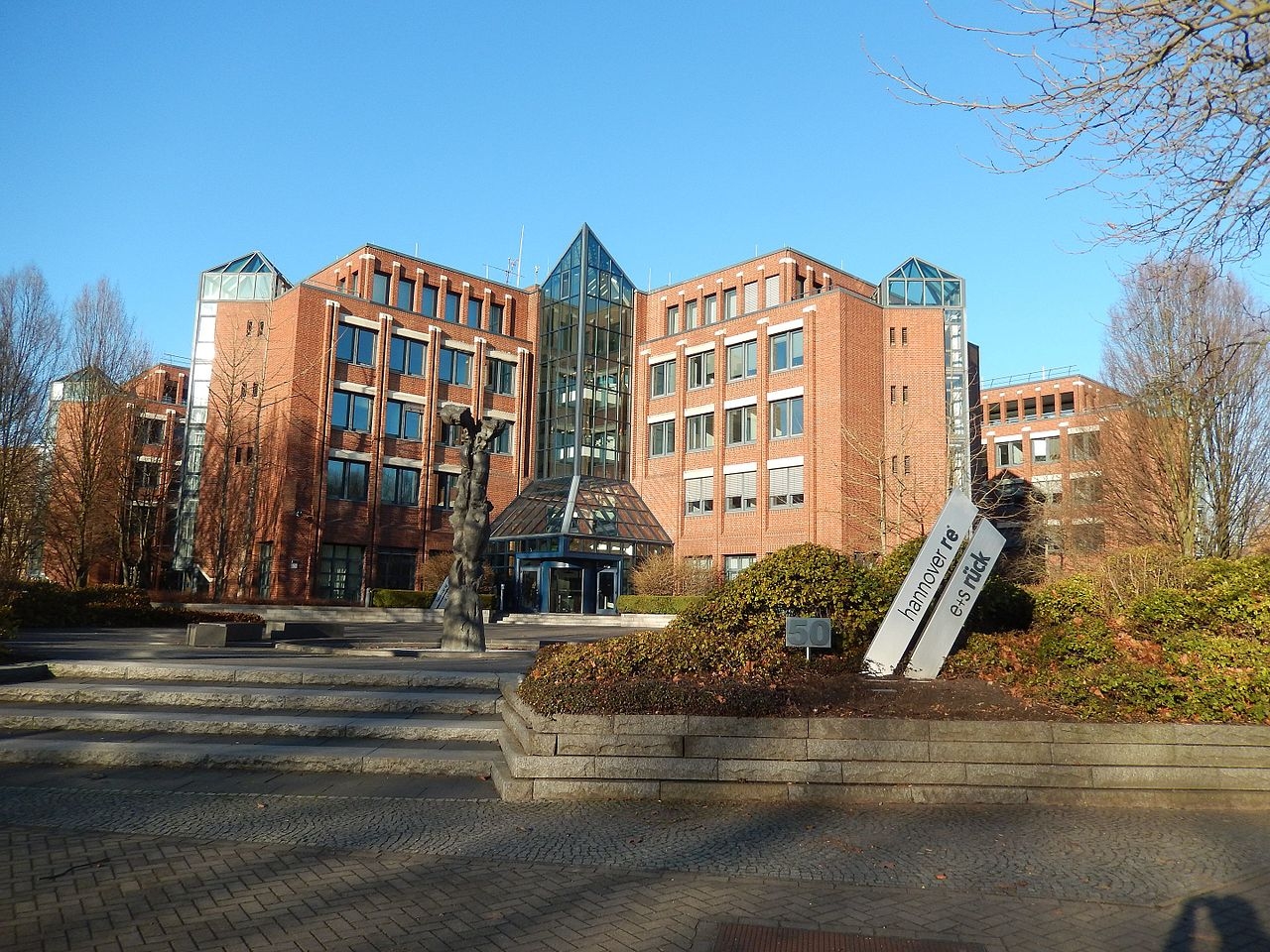
Quarterly Statement as at 31 March 2021: Hannover Re posts further double-digit growth and confirms profit target
Gross premium up by 16.8% adjusted for exchange rate effects
No new pandemic-related losses in property and casualty reinsurance
Life and health reinsurance still impacted by pandemic; losses expected to relax appreciably from the second quarter onwards
Return on investment reaches 2.5%
Group net income rises by 1.7% to EUR 305.9 million
Return on equity beats minimum target at 11.1%
Profit target for 2021 confirmed
Hannover Re again posted double-digit growth in premium income in the first quarter and at the same time delivered modestly improved Group net income.
“We are off to a good start in the current financial year,” said Jean-Jacques Henchoz, Chief Executive Officer of Hannover Re. “Hannover Re is superbly placed to benefit from the sustained improvements in prices and conditions in our market. Even though the pandemic has now been with us for more than a year, our robust capital resources remain unchanged thanks to our outstanding risk management.”
Hannover Re’s capital adequacy ratio at the end of March was 252% and hence continues to be comfortably above the limit of 180% and threshold of 200%.
Group gross premium shows further double-digit growth
The gross written premium booked by Hannover Re rose by 11.9% as at 31 March 2021 to EUR 7.8 billion (EUR 7.0 billion). Adjusted for exchange rate effects, growth would have amounted to 16.8%. Net premium earned climbed by 11.7% to EUR 5.7 billion (EUR 5.1 billion). Growth would have reached 16.4% at constant exchange rates.
The operating profit (EBIT) contracted by 5.3% to EUR 403.8 million (EUR 426.6 million). Group net income increased by 1.7% to EUR 305.9 million (EUR 300.9 million). Earnings per share amounted to EUR 2.54 (EUR 2.49).
Sharply improved profitability in property and casualty reinsurance
Hannover Re was thoroughly satisfied overall with the renewal of its property and casualty reinsurance portfolio as at 1 January 2021. Roughly two-thirds of the treaties here were renegotiated on this date. The average price increase amounted to 5.5%, reflecting further improvements in prices and conditions that varied in scope across all lines and regions.
Gross written premium grew by 14.2% as at the end of March to EUR 5.7 billion (EUR 5.0 billion); the increase would have been 20.1% adjusted for exchange rate effects. Net premium earned was up by 15.7% at EUR 3.9 billion (EUR 3.3 billion); at constant exchange rates, it would have risen by 21.5%.
Net expenditure on major losses was lower than in the previous year at EUR 193.2 million (EUR 283.6 million). No further net strains were incurred here in relation to Covid-19. The largest individual losses included the outbreak of extreme winter weather in the US state of Texas with net expenditure of EUR 75.4 million, an industrial loss in Germany at a cost of EUR 34.8 million as well as flooding in Australia amounting to EUR 19.5 million. Overall, the combined ratio improved substantially to 96.2% (99.8%).
The underwriting result for property and casualty reinsurance including interest on funds withheld and contract deposits came in well above the previous year’s level at EUR 147.3 million (EUR 7.2 million). The operating profit (EBIT) in property and casualty reinsurance climbed by 6.3% to EUR 324.0 million (EUR 304.7 million). Net income in property and casualty reinsurance amounted to EUR 269.2 million (EUR 207.3 million) as at 31 March 2021 despite appreciable exchange rate losses.
Pandemic-related losses in life and health reinsurance largely offset by special effect
Life and health reinsurance saw continued strong demand worldwide, especially in the area of financial solutions. Solutions for the coverage of longevity risks similarly showed increasing demand, especially in the United Kingdom but also of late in Germany. All in all, the environment for life and health reinsurance was favourable. Additional strains were nevertheless incurred from the Covid-19 pandemic in an amount of EUR 151 million, although these were largely offset by positive one-time income of EUR 129.3 million from restructuring in US mortality business. The burden of losses caused by the pandemic will likely already start to recede appreciably from the second quarter onwards as immunisation rates rise with ongoing vaccination campaigns.
Gross written premium grew by 6.1% to EUR 2.1 billion (EUR 2.0 billion), corresponding to an increase of 8.6% adjusted for exchange rate effects. Net premium earned was up by 4.0% at EUR 1.8 billion (EUR 1.8 billion); it would have risen by 6.7% at constant exchange rates.
The operating result (EBIT) for life and health reinsurance contracted by 35.6% to EUR 80.1 million (EUR 124.2 million). Net income in life and health reinsurance fell sharply by 55.7% to EUR 48.8 million (EUR 110.2 million).
Very pleasing investment income despite protracted low interest rate environment
The portfolio of assets under own management grew to EUR 52.5 billion in the first quarter (31 December 2020: EUR 49.2 billion). Ordinary investment income excluding interest on funds withheld and contract deposits amounted to EUR 313.2 million (EUR 326.3 million). Net gains on disposals came in somewhat lower at EUR 90.2 million (EUR 101.9 million).
Impairments totalled EUR 21.1 million (EUR 28.6 million). Altogether, income of EUR 313.5 million (EUR 386.1 million) was generated from assets under own management. This produced an annualised return of 2.5%, slightly higher than the full-year target of 2.4%.
Interest on funds withheld and contract deposits surged appreciably to EUR 130.5 million (EUR 85.6 million). Total net investment income including interest on funds withheld and contract deposits contracted as expected by 5.9% to EUR 444.0 million (EUR 471.7 million).
Return on equity beats minimum target at 11.1%
The shareholders’ equity of Hannover Re increased slightly by 0.4% as at 31 March 2021 to EUR 11.0 billion (31 December 2020: EUR 11.0 billion). The annualised return on equity reached 11.1% (31 December 2020: 8.2%), thus beating the target of 900 basis points above the risk-free interest rate. The book value per share amounted to EUR 91.57 (31 December 2020: EUR 91.17).
Profit target for 2021 confirmed
“The first quarter puts in place a solid basis for achieving the goals that we have set ourselves for the full 2021 financial year,” Henchoz said. “Hannover Re already dealt with the bulk of the expected pandemic-related strains in the 2020 financial year. With increasingly widespread vaccinations we will be able to progressively return to a more normal life. For us, as a reinsurer, this means that we only need to anticipate further losses from the pandemic on a manageable scale. As an additional factor, prices and conditions in property and casualty reinsurance are continuing to improve. All this gives me confidence that we will achieve our full-year targets.”
On the Group level Hannover Re continues to expect net income in the range of EUR 1.15 billion to EUR 1.25 billion for the 2021 financial year. The return on investment is anticipated to be roughly 2.4% and Group gross premium is forecast to show growth in the upper single-digit percentages adjusted for exchange rate effects. The net major loss budget for 2021 is set at EUR 1.1 billion (EUR 975 million). This adjustment was prompted primarily by the growth in the underlying business.
Hannover Re renews business in Japan and to a lesser extent in Australia, New Zealand, Asian markets and North America as at 1 April. Building on the 1 January 2021 renewals, these negotiations concluded favourably. The premium volume grew by altogether 7.4%. The price increase for the renewed business amounted to 5.0%.
Hannover Re envisages an unchanged payout ratio for the ordinary dividend in the range of 35% to 45% of its IFRS Group net income. The ordinary dividend will be supplemented by payment of a special dividend subject to a continued comfortable level of capitalisation and Group net income within the bounds of expectations.
Going forward, sustainability considerations will exert an even greater influence on the selection and composition of Hannover Re’s investments. In conformity with the Paris Agreement on climate change, Hannover Re is actively reducing the carbon intensity of its investments. What is more, Hannover Re is increasingly investing in – among other things – sustainable infrastructure investments and impact investment funds, the goal of which is to generate not only a favourable financial return but also and above all measurably positive effects on the environment and society.
The virtual Annual General Meeting of Hannover Rück SE is also being held on today’s date. The Executive Board and Supervisory Board have proposed an ordinary dividend of EUR 4.50 per share for the 2020 financial year.
TEN Ltd Reports Record Profits For The Second Quarter And Six Months Ended June 30, 2020
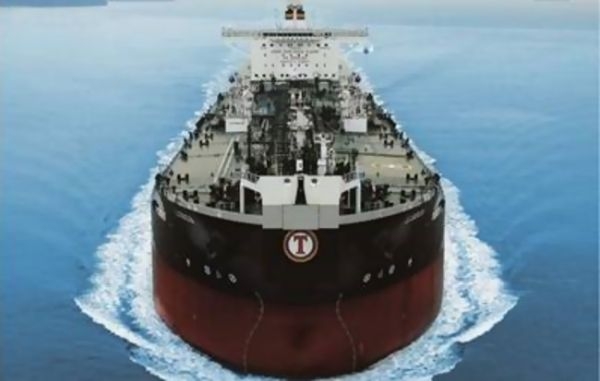
TEN, Ltd (TEN) reported results (unaudited) for the quarter and six months ended June 30, 2020.
SIX MONTHS 2020 SUMMARY RESULTS
Net income in the first half of 2020 amounted to $69.2 million excluding non-cash one-off charges or $52.7 million if such non-cash charges are included. Earnings per share for this six-month period were $1.64 compared to a $(0.66) loss per share for the same period of 2019.
Gross revenues in the first half of 2020 amounted to $369.7 million, 27.0% higher than in the first half of 2019, mainly due to the strong rates following the widening contango in the oil markets that started in the first quarter.
The daily time charter equivalent rate per vessel increased by 36% over the equivalent 2019 period to $27,689. Operating income, before the impairment charges and loss on vessel sales totaled $118.2 million compared to $46.8 million in the first six months of 2019, a 153% increase.
Adjusted EBITDA (Earnings before interest, taxes, depreciation and amortization) increased to $186 million, 55% higher than in the first six months of 2019.
Total cash reserves were $262 million, as at June 30, 2020.
Vessel operating expenses decreased by 1.3% while depreciation and dry-docking amortization costs remained at similar levels as in the first half of 2019.
Total debt outstanding as at June 30, 2020 stood at $1.47 billion, $74.7 million lower from the level at the end of 2019 and about $300 million lower from its peak in 2016.
Four vessels were sold in the 2020 six-month period generating about $30 million free cash after repaying nearly $44 million of debt and maintained TEN’s young fleet profile.
Finance costs in the first six months of 2020 increased by $8.6 million to $47.5 million mainly due to approximately $16 million in non-cash negative bunker hedge valuations.
Q2 2020 SUMMARY RESULTS
Following a solid first quarter, second quarter net income amounted to $49.6 million excluding non-cash losses on a vessel sale and impairment charges. Including these non-cash items, net income was still a healthy $31.5 million and earnings per share were $1.07 from $(0.72) in the 2019 second quarter.
Accordingly, TEN’s voyage revenues increased 32.5% to $190.8 million in the second quarter of 2020 with the fleet achieving 95.7% utilization. TEN’s fleet had one vessel less on average in this second quarter compared to the 2019 second quarter due to the sale of a vessel in June 2020.
The average daily TCE per vessel generated by the fleet was $28,767, approximately $9,000 more than the prior year second quarter.
Operating income during the quarter reached $46.9 million, 147% higher than the equivalent quarter of 2019.
Adjusted EBITDA totaled $98.0 million, up $42.2 million or 75% from the 2019 second quarter.
Total vessel operating expenses decreased by $3.4 million or 7.3% due to efficient cost management and the strengthening of the US dollar against the Euro which had a positive impact on crew costs. On an average daily per vessel basis, operating expenses per ship per day fell to $7,457, a 5.7% reduction.
A modest increase in G&A expenses was mainly due to sundry office expenses and professional fees, while management fees per vessel stayed basically the same, as they have done for over ten years.
Finance costs declined by $7.4 million or 34.7% mainly due to $2.2 million positive bunker hedge valuations and to loan interest decreases following renewed pricing terms on the occasion of refinancing certain loans. Interest costs were also partially reduced by the reduction in total average outstanding debt by $68 million since the end of the prior year second quarter.
CORPORATE STRATEGY & OUTLOOK
The first half of 2020 has been a rollercoaster of sentiments for our industry and the world in general. The year started with optimism on the one hand and justifiable concerns on the other due to the new emission regulations imposed by the IMO and the endless debates on the use of scrubbers, something that TEN has avoided and saved significant unnecessary capital expenditure.
Within weeks however, all this faded away with the spread of the Covid-19 pandemic, affecting everyday life as never before. This combination of events caused volatility leading to wide contango spreads that resulted in a strong tanker market, which TEN’s modern fleet took full advantage of.
In this unprecedented environment, TEN has managed to safeguard the health of its seafarers, increase profitability through high utilization and continue its path to growth and modernization
Following the sale of four vessels with an average age of fourteen years, the Company has taken delivery of a series of three new vessels (two aframaxes and one suezmax), with an additional suezmax to follow in the fourth quarter with long-term employment. All vessels are chartered to a major oil company for a minimum period of five years that will add $180 million in time charter equivalent revenues. Concurrently, the Company was awarded a long-term accretive contract for up to three suezmax DP2 shuttle tankers by a major utility company.
Looking ahead and despite the challenges the world has faced, a silver lining is developing on the horizon; the demand for energy is coming back but more importantly the supply of new tonnage has completely dried up, the contango effect has returned and expectations for a strong market after a seasonally slow quarter are becoming more likely. China is importing sizeable quantities of crude, locked-down Asian recycling yards are coming back to business and the recent emergence of congestion at various terminals in the Far East are promising signs.
TEN continues to build value for its shareholders through the payment of dividends, adding another $0.375 cents (split adjusted) per common share on June 26th, 2020 and its ongoing buy-back program for common shares has so far to this date surpassed $8 million since inception. As previously mentioned, management’s intention to redeem at par the $50 million Series C preferred remains intact and a relevant press release will be issued in due course to that effect.
TEN continues to give priority to environmental issues and has successfully managed the transition to low sulfur fuel without experiencing irreparable adverse issues, thanks to our seasoned and efficient technical managers. However, management’s top priority remain that of the wellbeing of the Company’s seafarers, both physically and mentally and tremendous efforts are being made for the timely and safe repatriation to their families, something that is not straightforward in today’s challenging environment.
View Full Report
Tankers: TEN Outperformed Spot Market by 38% As Company Reports Second Quarter Profits
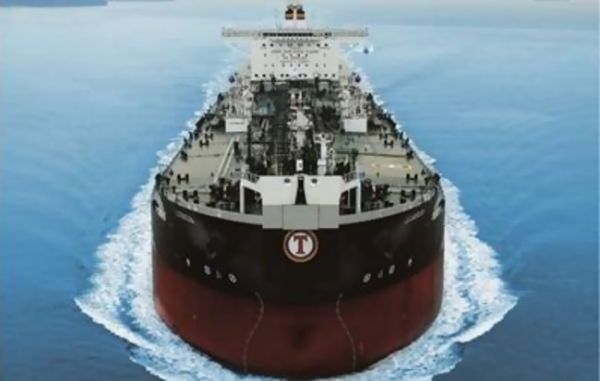
TEN, Ltd Friday reported results (unaudited) for the quarter and half-year ended June 30, 2019.
SIX MONTHS 2019 SUMMARY RESULTS
TEN earned gross revenues of $291 million, 17% higher from the same period in 2018 and net income of $11.5 million compared to a loss of $21.5 million in the first six months of 2018, a $33 million positive swing.
Operating income totaled $46.8 million, a near five-fold increase over the equivalent period in 2018 while adjusted EBITDA (Earnings before interest, taxes, depreciation and amortization) climbed to $120 million, 43% higher than in the first six months of 2018.
The daily time charter equivalent rate per vessel was $20,418, a 17% increase over the equivalent 2018 period and substantially higher than the average spot market rates for the period.
Total operating costs decreased by over 3%. Depreciation and dry-docking amortization costs were also reduced by $2.9 million.
General and administrative expenses decreased by $0.4 million or 3% from the same period in 2018. Daily overhead cost per vessel remained again at competitive levels at $1,142.
Vessel operating expenses decreased by 2.5% from the 2018 six months period due to proactive and efficient management operations conducted by TCM, our technical managers, while daily operating expenses per vessel remained well under $7,800. Most other expense categories (management fees and G&A) remained relatively stable as a result of effective cost controls.
Finance costs increased by $6.1 million mainly due to bunker hedge losses, but interest rate increases were partially offset by the reduction in total outstanding debt by $142 million since the end of the 2018 second quarter.
During the first six months of 2019, TEN continued its stated policy of expanding its strategic alliances by adding four new vessels with long term employment to a major US end user and two vessels to its existing joint venture with a South American entity.
Q2 2019 SUMMARY RESULTS
TEN earned a net income of $0.3 million, a $10 million improvement from the $9.6 million loss in the second quarter of 2018, despite the market softness which followed a strong first quarter, due to continued refinery maintenance, high inventories, excess vessel capacity and oil production cuts.
Adjusted EBITDA increased to $55.8 million, 32% higher than in the 2018 second quarter, helping to boost our cash reserves, which stood at $193 million at the end of June 2019.
Operating income amounted to $19.0 million, a five-fold increase for the operating income of the second quarter of 2018.
TEN’s ability to smooth the market’s cyclicality was again demonstrated by strong fleet utilization of 96.6% generating gross revenues of $144 million during the second quarter, 16% higher than in the second quarter of 2018. $90 million of this revenue, was from time-charter hire, including profit shares, which covered the cash costs of TEN.
The two LNG carriers, which both enjoyed significant increases in rates since the prior second quarter provided an additional $4.3 million more than in the second quarter of 2018.
Revenues from vessels on spot were $21 million higher. Spot rates achieved by TEN’s vessels were on average 30% higher than those achieved by the same vessels in the equivalent period of 2018.
Finance costs increased by $6.5 million. Loan interest remained at about the same as in the 2018 second quarter with rate increases being offset by the reduction in outstanding debt by $142 million since June 30, 2018. Compared to last year’s second quarter, bunker hedge gains fell by $2.5 million and negative movements in the value of bunker hedges amounted to a non-cash of $4.8 million.
LNG EXPANSION
TEN proceeded with the order of one-option-one 174,000cbm LNG carrier from Hyundai Heavy Industries in South Korea with expected delivery in the second half of 2021. With this order, the Company’s LNG proforma fleet rises to four vessels, two of which are employed on time-chartered contracts with major international natural gas production and trading entities.
TEN continues its stated policy of maintaining a diversified energy fleet with a focus on LNG as an area of growth. Management expects more accretive investments in the sector as that develops.
CORPORATE STRATEGY & OUTLLOOK
As we exit the seasonally soft part of the cycle, a confluence of positive events including increased US crude oil exports that lead to increases in ton-mile demand and ultimately reductions in vessel supply, the impact of the IMO 2020 regulations which should facilitate an accelerated departure of older tonnage from the competitive fleet and the historically low orderbook as well as the impact of refineries returning from maintenance, create the springboard for a healthy market going forward. Management is positioning the fleet to take advantage of this upturn by having adequate appropriate vessels in the spot market, which together with those on profit sharing arrangements could provide additional revenue upside for TEN, whose primary model of having enough vessels on secured revenue contracts to cover the entire fleet’s expenses remains intact.
TEN’s chartering policy enabled the Company to outperform by 38% the spot market and maintain its profitability and therefore making it one of the few companies in its peer group with profits during such a challenging period.
On the growth front, the Company’s newbuilding program progresses as planned. The first of two aframaxes on long-term contracts to a major US end user is expected to be delivered in October 2019, with the second in January 2020. Expanding TEN’s presence in the developing natural gas sector, management signed a contract for the construction of an additional LNG carrier with an option for one more at competitive prices.
“With gross fleet revenues up $41 million higher than the end of the second quarter last year, with an equivalent number of vessels, we feel confident that the market is on its way to a healthy recovery and comfortable that our fleet has the capacity to capture market upturns as they develop,” Mr. George Saroglou, COO of TEN commented. “TEN is well prepared to take advantage of the positive fundamentals as they unfold and expects such momentum to be translated in increased profits and eventually in a higher share price,” Mr. Saroglou concluded.
Download PDF
Alpha Bank reports 1Q 2019 Profit After Tax1 at Euro 27.5 million
Main Highlights
– Asset Quality continued to improve with NPE balances for the Group reduced by Euro 0.3 billion in Q1 2019. NPL transactions of circa Euro 4 billion to materialise towards the end of the year, as planned.- Liquidity profile continued to improve with deposits in Greece up by 9.1% y-o-y to Euro 33 billion at the end of March 2019. Loan to Deposit ratio for the Group reduced further to 103% in Q1 2019 vs. 116% a year ago.- Eurosystem funding was significantly reduced, down by Euro 4.8 billion y-o-y with ELA reliance fully eliminated since February 2019. In Q1 2019, the Bank continued to increase its repo transactions at improved pricing terms, reaching Euro 6.7 billion at the end of March 2019 vs. Euro 2.7 billion a year ago.- Alpha Bank continued to extend credit to the private sector with new loan disbursements in Greece of Euro 0.6 billion in Q1 2019.- Core Pre-Provision Income at Euro 212.5 million, down by 12.6% q-o-q, primarily affected by the lower Net Interest and Fee Income contribution. Net Interest Margin at 2.5% in Q1 2019, down by 30bps q-o-q, mainly due to lower loan spreads in the corporate sector.- Recurring Operating expenses decreased by 3.5% y-o-y, mainly driven by lower General Expenses. Cost containment initiatives set to further improve our operational efficiencies in 2019.- Income from financial operations in Q1 2019 stood at Euro 73.8 million, primarily attributable to the realisation of gains from our Greek Government Bonds portfolio.- Impairment losses on loans significantly reduced to Euro 178.3 million in Q1 2019, implying a Cost of Risk (CoR) of 1.4% over gross loans in the quarter compared to an average of 3% in 2018.- Profit After Tax at Euro 27.5 million, down from Euro 65.4 million in Q1 2018.- Strong capital position with Fully Loaded Basel III CET 1 ratio stable q-o-q at 14%. Transitional CET1 ratio at 17%, affected by the anticipated phasing-in of IFRS 9 and Basel III amortisation as well as the impact of IFRS 16 first time adoption (FTA). Tangible Equity Book Value stable at Euro 7.7 billion.- In May 2019, our subsidiary in Romania successfully completed a Euro 200 million covered bond issuance, the first ever covered bond issue from a Romanian Bank, enhancing the liquidity position of our subsidiary and contributing to its business goal of funding diversification.
Alpha Bank’s CEO, Vassilios Psaltis stated:
“Alpha Bank delivered a profitable performance in the first quarter of 2019 despite the challenging dynamics in our loan book given the ongoing deleveraging of our NPE portfolio. Attention to cost discipline and a de-escalation in impairment charges helped to offset lower revenues during the quarter. Our focus during the year to date, has been on delivering key Balance Sheet milestones: exiting the ELA, continuing to grow the deposit base, issuing the first ever covered bond in the Romanian market and actively managing our Greek sovereign bonds position within our risk appetite. In addition, we have successfully concluded the first phase of our strategy formulation process by delivering to the Board of Directors a full baselining of our activities in Greece and in SEE, including a deep dive on organizational effectiveness, taking feedback from our Employees who are an integral part of the transformation process”.
FULL REPORT
Allianz reports operating profit of 3.0 billion euros in 1Q 2019
Allianz reports operating profit of 3.0 billion euros in 1Q 2019- Internal revenue growth of 7.5 percent in 1Q 2019- 1Q 2019 operating profit increases 7.5 percent to 3.0 billion euros- 1Q 2019 net income attributable to shareholders reaches 2.0 billion euros- Solvency II capitalization ratio at a comfortable level of 218 percent- 1Q 2019 results put Allianz Group on track to meet its 2019 full-year targets- Operating profit outlook for 2019 confirmed at 11.5 billion euros, plus or minus 500 million euros
Management Summary: Good start into 2019
Allianz Group continued its successful course from 2018 with a strong first quarter 2019. The results demonstrate the resilience of our business segments and continued progress in executing our Renewal Agenda. Internal revenue growth, which adjusts for currency and consolidation effects, was 7.5 percent.Total revenues grew 9.1 percent to 40.3 (2018: 36.9) billion euros.
Operating profit increased by 7.5 percent to 3.0 (2.8) billion euros, mostly due to our Property-Casualty business segment as a result of strong premium growth, lower claims from natural catastrophes and an improved expense ratio.
Our Life/Health business segment operating profit grew slightly as higher loadings and fees and favorable true-ups more than offset a lower investment margin. Higher expenses due to investments in business growth led to a small decline in the Asset Management business segment’s operating profit.Net income attributable to shareholders grew 1.6 percent to 2.0 (1.9) billion euros. Higher operating profit was largely offset by lower non-operating investment income and, to a lesser extent, higher taxes.Basic Earnings per Share (EPS) increased 4.5 percent to 4.65 (4.46) euros. Annualized Return on Equity (RoE) amounted to 13.7 percent (full year 2018: 13.2 percent). The Solvency II capitalization ratio stood at a comfortable level of 218 percent at the end of the first quarter 2019, compared to 229 percent at yearend 2018, driven primarily by the effects of the current share buy-back program (minus 4 percentage points) and following previously announced regulatory and model changes (minus 4 percentage points).On February 14, 2019, Allianz announced a new share buy-back program of up to 1.5 billion euros. 2.8 million shares have been acquired by March 31, 2019, representing 0.7 percent of outstanding capital.
“Allianz achieved strong results in the first quarter putting the group on track to meet its 2019 full-year targets,” said Oliver Bäte, Chief Executive Officer of Allianz SE. “Our customers continue to seek quality and service, both of which we are consistently focusing on. Despite economic and political volatility, we are verywell positioned to further develop our franchise”.
Full Report
AIG Europe moves back into profit
The business underwent a restructure in 2018 in preparation for the UK’s exit from the EU.
AIG Europe (AEL) made a pre-tax profit of £59.5m for the 12 months to 30 November 2018, according to a statement about its financial result.
This represents a vast improvement on the losses of £431.5m the previous year.
The combined operating ratio (COR) also improved more than 10% from 114.6% in 2017 to 103.4%.
The business also saw net written premium fall from £3.91bn to £3.78bn.
FocusAIG detailed that this change reflected a “decision to focus on core areas of growth. Financial Lines saw a 7% increase in net premiums written, offset by a decline in property, where premiums fell by 17%”.
The insurer said the underwriting result improved to a loss of £131.3m (2017: loss of £569.9m). Operating expenses were significantly lower at £1.4bn (2017: £1.5bn).
Positive underwriting performance and strategic risk selection combined with lower catastrophic losses led to the improved COR.
Last year AIG restructured AEL and established two new legal entities – American International Group UK Limited (AIG UK) and AIG Europe SA (AESA) – in preparation for the UK’s exit from the European Union.
AIG explained that the two-entity structure enables it to continue to service all of its policyholders and business partners across the UK and Europe, and to guarantee contract certainty to all policyholders, regardless of the future relationship between the UK and the EU.
Both companies started writing business, and policyholders transferred from AEL to the relevant new entity, on 1 December, 2018.
ReadinessAnthony Baldwin, chief executive officer, AIG UK, commented: “I’m proud of the work the team has done to stand up AIG UK as a separate business which has ensured our readiness for Brexit.
“During 2018 we made good progress in reducing our expenses, growing our profitable lines of business and remediating those areas that are less profitable. Thanks to these efforts we enter 2019 with a clear ambition and renewed focus.”
AIG UK issued a report and accounts for the twelve months ended November 30, 2018, although as the assets were transferred to this entity and it only started trading on 1 December 2018, according to the provider, the report doesn’t reflect the operating performance of the UK business.
Source: insuranceage
Aviva reports UK profit rise for 2018
Combined operating ratio remained flat at 93.8%.
Aviva has posted a 4% rise in operating profit for the UK general insurance business to £415m in 2018 from £400m in 2017.
Its UK combined operating ratio (COR) remained flat at 93.8% for 2018 (2017: 93.9%), while it also reported a small rise in total net written premiums (NWP) in the UK to £4.19bn in 2018 (2017: £4.08bn).
Looking at commercial lines, NWP rose by 8% to £1.70bn (2017: £1.58bn), while commercial COR improved to 96.1% in 2018 from 96.7% in the preceding year.
Commercial motor saw a 4% increase in NWP to £532m (2017: £514m), and commercial lines non-motor NWP grew by 10% to £1.17bn in 2018 (2017: £1.06bn).
Personal linesIn personal lines NWP also remained relatively flat at £2.49bn (2017: £2.50bn), while its personal lines COR came in at 92.4% in 2018 (2017: 92.0%).
Personal motor saw a 1% decline in NWP to £1.12bn in 2018 (2017: £1.14bn), while personal non-motor NWP went up by 1% to £1.37bn, compared to £1.36bn in 2017.
On group level Aviva reported a COR of 96.6%, which is the same as last year, and NWP was also flat at £9.11bn in 2018 (2017: £9.14bn).
Operating profit for the whole group was £3.12bn in 2018, up by 2% from the £3.07bn reported last year.
Re-energiseAviva announced earlier this week that Maurice Tulloch was taking over the role of chief executive officer. He replaced Mark Wilson who left the provider in October last year.
Brokers welcomed the move, with many stating they were happy about the insurer’s decision to make an internal appointment.
Tulloch commented: “I am excited to be taking over as CEO of Aviva. We have strong foundations but we are only scratching the surface of our full potential. There’s a huge opportunity here.
“At the heart of it, it’s all about insurance fundamentals, delivering excellent customer experience, tackling complexity and injecting a different pace of change into Aviva. And that will be just the start. I am determined to re-energise Aviva and deliver long term growth for our shareholders.”
ProgressCommenting on the results, Sir Adrian Montague, chairman of Aviva, said: “Aviva made steady progress in 2018.
“We grew profits, had a record year for cash remittances and further increased our solvency cover ratio to 204%. As a result, the board has increased the full year dividend by 9% to 30.0 pence per share.”
He continued: “We increased profit in the UK, where we won more workplace pension schemes and bulk annuity deals, and across our international businesses, where we expanded and diversified our distribution.
“Aviva Investors had a more challenging year due to difficult investment markets and we have continued to invest in our asset management expertise.”
Source: insuranceage
Allianz posts record €11.5bn operating profit despite “strong market volatility”
German insurance giant Allianz posted a record operating performance in 2018, reaching the upper end of its target. It also expects to generate a larger profit in 2019, provided there are no unforeseen performance interruptions.
The group’s 2018 full-year operating profit rose by 3.7 percent to €11.5 billion, which it said was the highest in its history. The growth was mostly attributable to its property/casualty business segment, which reported a strong rise in operating profit of 13.3 percent – due to an improved expense ratio, lower claims from natural catastrophes, and premium growth.
For 2019, the Munich-based company is aiming for operating profit of €11.5 billion, plus or minus 500 million euros, barring unforeseen events.
The company’s net income grew 9.7 percent to €7.5 billion, compared with €6.8 in the previous year. Allianz said an increased operating profit and lower income taxes more than offset the decline in its non-operating result.
Allianz’s Solvency II capitalisation ratio amounted to 229 percent at end-2018, unchanged compared to end-2017. The insurer has proposed to increase its dividend of €9 per share for 2018, up 12.5 percent compared to 2017. It has also announced a new share buy-back programme of up to €1.5 billion.
“I am very proud of the global Allianz family for delivering such a great set of results. We reached the highest net income of the past ten years despite strong market volatility, especially in the fourth quarter,” said Oliver Bäte, chief executive officer of Allianz. “Our customers continue to rely on us, and it’s with them in mind that we are focusing on simplicity in the next iteration of our strategy.”
CFO Giulio Terzariol added: “Allianz achieved excellent results in 2018 with operating profit of 11.5 billion euros, reaching the upper end of the Group’s announced target range of 10.6 to 11.6 billion euros. Our healthy and well-diversified business makes us confident that we will continue to deliver a strong financial performance again this year.”
In the P&C segment, the company’s gross premiums written amounted to €53.6 billion in 2018, compared with €52.3 billion in the previous year. The combined ratio improved by 1.2 percentage points to 94 percent.
Terzariol said: “I am pleased by our strong internal growth and our good operating performance in the Property and Casualty business segment. We reached our goal of a 94 percent combined ratio by our consistently disciplined underwriting and moreover by a substantially improved expense ratio.”
“Asset Management revenues and operating profit increased in a challenging environment in 2018. Volatility in financial markets, especially in the fourth quarter, led to net outflows. However, the expansion of our margins clearly shows the good health of our business,” Terzariol added.
Source: intelligentinsurer.com
Talanx profits up despite large industrial lines losses in 2018
German re/insurer Talanx Group, the parent company of Hannover Re and HDI, recorded large losses in industrial lines in the financial year 2018, driven by the industrial fire line. The firm is looking to counteract this negative impact and reduce its combined ratio.
Talanx’s gross written premiums increase by 5.5 percent to €34.9 billion.
It reported a group net income of €703 million in the financial year 2018 – an increase of 4.9 percent from the previous year.
Talanx said the profits were driven by good operating development in retail international, retail Germany divisions and in reinsurance. However, the group net income was affected by the impact of exceptionally high large losses and an accumulation of frequency losses, particularly in industrial fire insurance.
The insurer is looking to counteract this negative impact with its 20/20/20 programme, which is directed towards reducing the combined ratio in the burdened 20 percent of the industrial lines portfolio by at least 20 percentage points by 2020.
Earlier in August 2018, the insurer announced its plan to restructure some of its affected portfolios – a move it says has resulted in “very good interim results”. It said by the end of January 2019, around 87 percent of the total minimum rate increases planned by 2020 had been contracted.
In 2019, Talanx is expecting a balanced underwriting result for the industrial lines division.