
PPA S.A.: Simulating the response to an incident involving both a marine and terrestrial pollution at the car management terminal
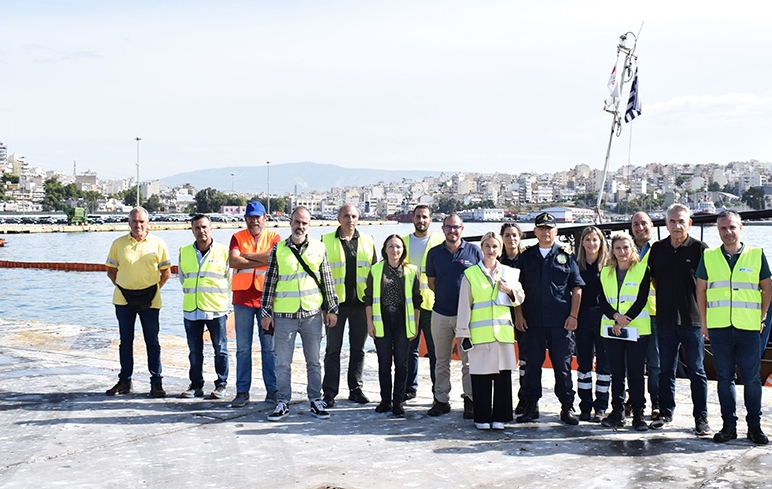
Once again, this year, PPA S.A. conducted at the Port of Piraeus facilities, specifically in the Ro-Ro Terminal/G2, aim at tackling hypothetical marine and land pollution incidents.
PPA S.A. implements an integral environmental management plan and the regular exercises are carried out as part of a prevention framework aimed at the constant preparation and readiness of the Company to effective handling of similar incidents. It is worth noting that following each exercise, PPA S.A. prepares a dedicated assessment study, documenting any shortcomings and malfunctions, holds a meeting with all involved parties to brainstorm improvement proposals, and ultimately draws conclusive findings, in order to always maintain a high level of operational readiness.
The Chairman of PPA S.A. Yu Zenggang expressed his satisfaction with the successful conclusion of this year’s exercise and extended his gratitude to all participants, assuring that the Company will continue to take all necessary measures to safeguard the environment and ensure readiness for this purpose. As he mentioned, prevention and environmental protection are top priorities of PPA’s strategy for the Port of Piraeus, as they are the main ways to the achievement of the Company’s vision for a green and friendly port with digital applications and secure procedures in all port activities.
Update on marine pollution fines in Turkey as of 1 January 2021
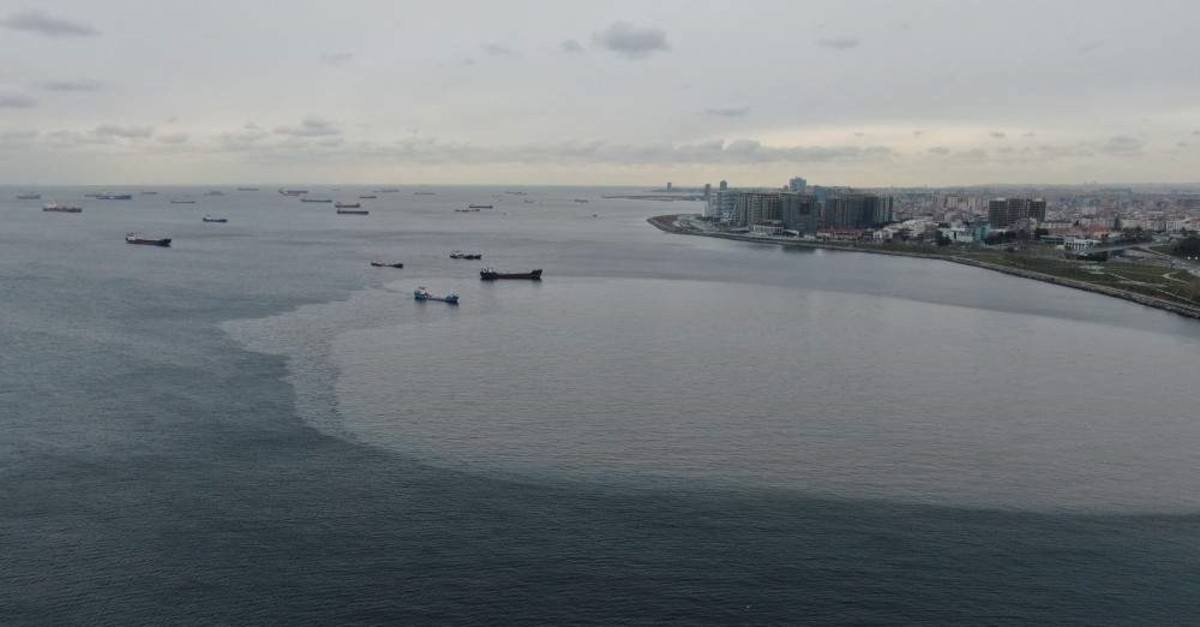
Members are advised that, further to the club’s news update on 23 January 2020, and a recent circular by the club’s correspondent, Omur Marine, the levels of pollution fines being applied by environmental authorities in Turkey have been increased by 9.11%.
As of 1 January 2021 the fine rates imposed under article 20 of the Environment Code are as follows:
For pollution caused by tankers discharging petroleum and petroleum derivatives (such as crude oil, fuel products, bilge, sludge, slop, refined product, greasy waste materials etc)
For pollution caused by tankers discharging dirty ballast
For pollution caused by ships and other naval vessels discharging petroleum derivatives (such as bilge, sludge, slop, fuel products, greasy waste materials etc.) or dirty ballast
For pollution caused by tankers, ships and other naval vessels discharging solid waste or domestic wastewater
Members should also note:
Corporate entities
The amounts quoted above will be tripled for ships owned by corporate entities.
Repeat offenders
Fines will be doubled in the event of a repeat offence within three years, and tripled for subsequent offences by the same vessel within three years.
Clean up by the member
If the member cleans up the pollution itself, fines of only 1/3 of the above sums will be imposed.
Payment and security
Fines imposed by Turkish authorities due to alleged pollution must be paid or security must be put up immediately for the full amount, otherwise the ship may be arrested.
If the fine is paid within 30 days, a 1/4 discount will be applicable to the final fine amount.
Please note that club LOUs are not always accepted. IG clubs also have experienced demands for open-ended and anticipatory LOUs for minor pollution incidents in Turkey. The requirement to negotiate any security and/or arrange for the LOU to be translated and/or notarised, can cause delay.
Criminal proceedings
Authorities that detect a pollution incident are under an obligation to report the incident to the Turkish public prosecutor immediately. Subsequently, the public prosecutor will commence a criminal investigation, which is usually followed by criminal proceedings brought against the master of the ship. These proceedings may proceed even if the fine is paid. This can also cause the vessel to be delayed/detained.
In the event of an actual or threatened pollution incident, members are advised to contact the club and/or our local P&I correspondents for immediate assistance.
Source: The Standard Club