
Investment Plan for Europe: Nexera receives EIB financing to develop the high-speed internet connection in lower population density areas in Poland
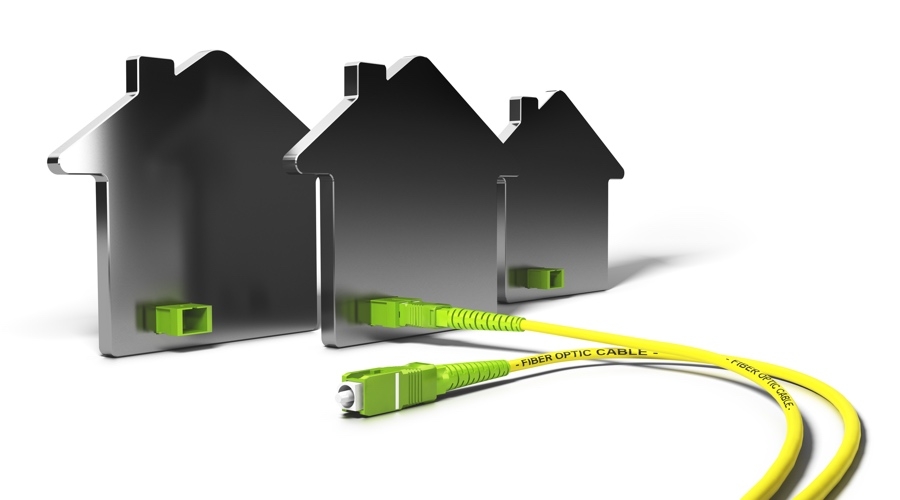
The EIB will lend up to PLN 325 million (€73 million) for a project to develop fibre-to-the-home (FTTH) infrastructure in five Polish regions
Around 530 000 households and 1 400 schools will be connected thanks to the EIB loan
The project is guaranteed under the European Fund for Strategic Investments
Lower population density areas in Poland will gain a better internet connection and access thanks to the deployment of very high capacity network broadband services under a project financed by the European Investment Bank (EIB).
The EU bank has agreed to lend up to PLN 325 million (approximately €73 million) to Nexera to finance the rollout of a fibre-to-the-home (FTTH) access network in less densely populated areas of five Polish regions, or voivodeships (Warminsko-Mazurskie, Kujawsko-Pomorskie, Mazowieckie, Lodzkie and Swietokrzyskie). These regions are located in central and north-eastern Poland.
The project is backed by a guarantee from the European Fund for Strategic Investments (EFSI), the financial pillar of the Investment Plan for Europe. Nexera will also benefit from national and EU public subsidies, awarded to it following the Digital Poland contest, or Program Operacyjny Polska Cyfrowa (POPC), for the provision of co-financing for the design, construction and operation of FTTH networks in Poland. The subsidies will be used to partially fund the required investments.
Nexera is a vehicle majority owned by the infrastructure fund Infracapital. The EIB loan is part of a wider financing effort totalling PLN 1.010 billion (approximately €227 million), with the participation of other senior lenders (BGK, ING, PKO BP and Santander).
In terms of the final scope, Nexera plans to deploy a FTTH network that will pass more than 700 000 addresses including households, businesses and schools in the five regions by 2025, including in relation to the POPC. In this context, it is estimated that the EIB loan will help Nexera to connect around 530 000 households and 1 400 schools by 2023.
EIB Vice-President Teresa Czerwińska, who oversees EIB activities in Poland, said: “This project will contribute to reducing the gap between Poland and the rest of the European Union in terms of regular and ultrafast broadband coverage. The EIB identifies the green and digital twin transitions as key areas of investment in order to ensure a sound recovery after the COVID-19 pandemic. We are pleased in particular to support Nexera in its effort to deploy modern connectivity in less densely populated areas of Poland. Enhancing and democratising digitalisation is also a way to strengthen cohesion in Europe.”
Paweł Hordyński, Nexera CFO, said: “Nexera is a relatively small regional organisation of slightly over 20 people but the secured debt financing puts us among the largest companies in the country. This is definitely a success story in the Polish market and we emerge as a reliable organisation with enormous potential backed by leading financial institutions.”
“Our success is founded on a robust business plan, realistic and effective corporate strategy and innovative ways of working in our organisation that are part of the agility model that has largely become a benchmark for other operators in the market,” adds Jacek Wiśniewski, Nexera CEO.
European Commissioner for the Economy Paolo Gentiloni said: “I welcome this financing agreement between the EIB and Nexera, which is backed by the Investment Plan for Europe. It will help provide a better internet connection to many households, schools and businesses in less populated areas. This is great news for Poland’s digital transition and the connectivity of its citizens.”
Austria: Investment Plan for Europe – EIB finances wind farms of Windkraft Simonsfeld
EU climate bank advances €63 million
Bulk of financing backed by Juncker Plan guarantee
Erste Bank financing new windparks with an amount of €22 million
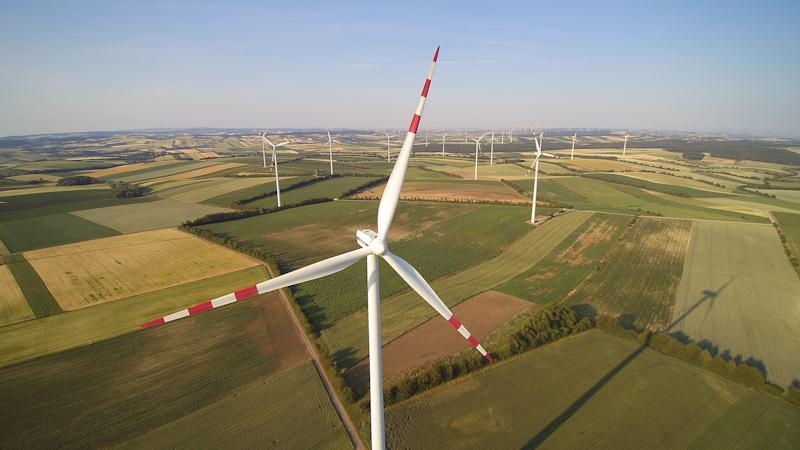
The European Investment Bank (EIB) is providing €63 million of finance for the construction and operation of two new wind farms in Austria (Prinzendorf III and Powi V) of Windkraft Simonsfeld with a total capacity of approximately 43.6 MW. The facilities will be operated by a project company belonging to Windkraft Simonsfeld AG, which has been successfully running wind farms in Austria and Bulgaria since the end of the 1990s. The overall capacity of the wind farms operated by Windkraft Simonsfeld currently amounts to 202.5 MW.
The bulk of the EIB financing (€40.9 million) will go directly to Windkraft Simonsfeld. These funds are backed by a guarantee from the European Fund for Strategic Investments (EFSI), the central pillar of the Investment Plan for Europe (the Juncker Plan). Under this plan, the EIB and the European Commission are working together as strategic partners to boost the competitiveness of the European economy. The remaining loan amount of €22.1 million will be provided by Erste Bank and guaranteed by the EIB. Windkraft Simonsfeld will put €21 million of its own funds into financing the wind farms.
This is the second time that the company benefits from the Investment Plan for Europe’s support. In January 2018, a €48 million financial agreement to build three new wind farms with Windkraft Simonsfeld in Austria was made possible under EFSI.
The EIB Vice-President responsible for operations in Austria, Andrew McDowell, said: “The promotion of sustainable, competitive and secure sources of energy is a key policy objective and, as the EU climate bank, a priority sector for EIB financing. We are therefore very pleased to be able to promote the development of renewable energies in Austria in close cooperation with our trusted partner, Windkraft Simonsfeld. The Prinzendorf III and Powi V wind farms are testament to Austria’s commitment to the renewable energy transition.”
Paolo Gentiloni, European Commissioner for the Economy, said: “Investing in renewable energies is crucial to meet the goals of the European Green Deal and to reach climate neutrality by 2050. This new EU support for Windkraft Simonsfeld will help to make two new wind farms a reality, bringing clean energy to thousands more households in Austria.”
“As the EU climate bank, the EIB is firmly committed to the Paris climate targets and the continued development of renewable and sustainable energy sources. When selecting our partners, we also take environmental and ethical considerations into account under the principle of green financing, which is why we have once again opted for EIB financing, as we did two years ago. We are pleased to have a partner that shares our commitment to the renewable energy transition and to the fight against catastrophic climate change,” said Alexander Hochauer, Commercial Manager of Windkraft Simonsfeld AG.
Willi Cernko, Member oft he Management Board Erste Bank: “Financing renewable energy sources is definitely one of our strategic core areas. This is particularly important to us because in the next few years sustainable energy generation in Europe will be one of the biggest issues where we are happy to be available as a financing partner to help push this effort forward.”
Italy: Investment Plan for Europe – EIB finances new trains of Naples Circumvesuviana network
– EUR 68m loan to Ente Autonomo Volturno (wholly owned by the Campania Region) to purchase 40 new electric trains
– Significant impact in terms of cutting CO2 emissions and combating climate change
– Will relieve traffic congestion for commuters and tourists in one of the most densely populated areas in Europe
A new fleet of 40 electric trains for the railway network serving Naples and the province of Naples, the so-called Circumvesuviana, to help significantly relieve traffic congestion and considerably reduce pollution in the entire area. That is the aim of the five-year investment plan of Ente Autonomo Volturno (EAV), the Campania Region’s railway management authority, supported by the European Investment Bank via a EUR 68m loan. The EIB loan is guaranteed by the European Fund for Strategic Investments (EFSI), one of the pillars of the Investment Plan for Europe, also known as the Juncker Plan.
EAV’s total investment of around EUR 220m will be used to replace 40 trains that have reached the end of their useful life. The new trains will be deployed on the six lines of the Circumvesuviana, which serve one of the most densely populated areas in Europe: 47 municipalities with around 2.5 million inhabitants. The busiest line is the Naples-Sorrento line which, besides being a commuter line, also serves a large number of tourist destinations and cultural heritage sites such as Herculaneum and Pompeii.
For EAV, a company wholly owned by the Campania Region, investing in new mobility programmes aimed at protecting the environment is a priority to preserve the fragile and already congested transport network in the metropolitan area of Naples which, besides the huge numbers of commuters it carries, is impacted by the increase in traffic caused by the growing influx of tourists. The project will enable the EAV fleet to fulfil the latest requirements in terms of safety, operational and energy efficiency.
As regards the aims of the EU bank, the operation will serve to significantly cut CO2 emissions and enable the EIB to subsequently step up its own commitment to meeting climate action targets. In terms of employment, during the construction phase 1 347 jobs will be generated while 46 new permanent jobs will be created in the management phase.
EIB Vice-President Dario Scannapieco stated: “In the metropolitan area of Naples, the Circumvesuviana railway lines are strategically important for commuters and tourists. I am proud therefore that the EIB is supporting this project in view of its social impact and because the move to new electric trains will have a considerable impact on reducing pollution, thus helping to meet the ambitious but achievable goals set by the European Union and the EIB.”
“This EUR 68m loan for the purchase of 40 new trains for the Circumvesuviana network will help meet the daily needs of the people of Naples and promote the cultural life and economic development of the Naples region. The European Union supports its regions and through the Juncker Plan continues to deliver tangible benefits for its citizens. We are now working to step up and expand these kinds of operations, which skilfully marry our development goals with climate action”, said European Commissioner for Economy Paolo Gentiloni.
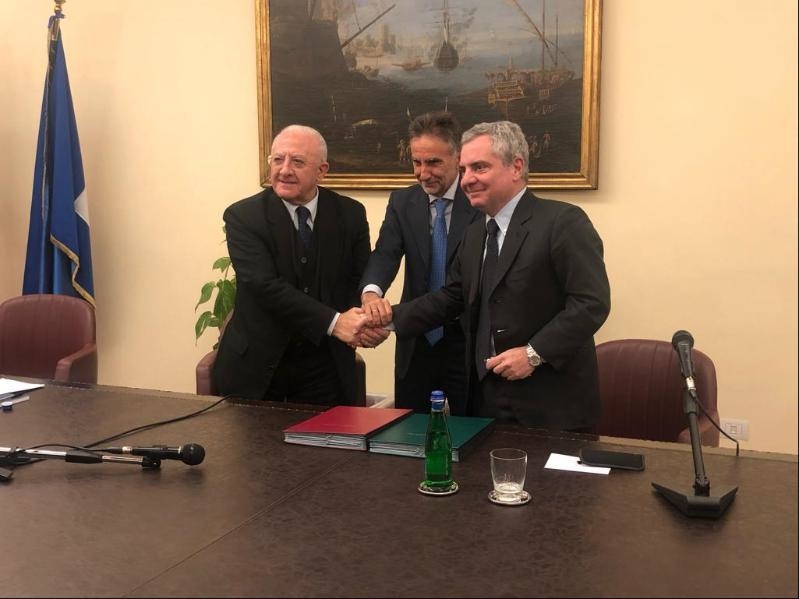
President of the Campania Region Vincenzo De Luca remarked: “The revival of EAV continues. We are proud that, following its historic financial recovery, our company is the first public transport company in southern Italy to sign an agreement with the EIB under the Juncker Plan. Thanks to regional funds EAV has already started acquiring more rolling stock, and this loan will give it the impetus to continue doing so in order to provide our fellow citizens with an even better, more modern service.”
Chairman of EAV Umberto De Gregorio said: “Over the past three years we have managed a ‘bad company’ within EAV, completing some 800 transactions and paying debts of around EUR 700m. Over the period 2016-18, we generated operating profits of EUR 90m (compared to losses of EUR 330m for the period 2012-15) and net equity increased from EUR 10m to EUR 152m. EAV is now a sound company that is investing and recruiting. This is the start of a new era. The loan granted by the EIB is evidence of that work.”
Greece Approves Part of COSCO’s Investment Plan for Piraeus
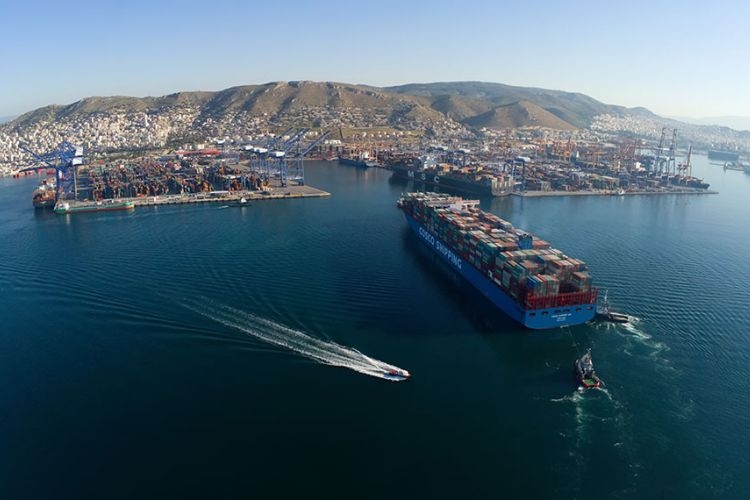
Greek Committee of Planning and Development of Ports (ESAL) has approved EUR 611.8 million (USD 673.3 million) worth of investments at the country’s Piraeus Port.
According to the Piraeus Port Authority, the funding for development works by Chinese shipping giant Cosco would cover all the business units of the company and would contribute to the development of the local and national economy.
Following the long-awaited approval, the implementation of significant investments would proceed in order to make Piraeus “the most important port in the Mediterranean,” according to Yu Zenggang, Chairman and Executive Director of PPA.
However, the proposal for an additional investment of EUR 300 million was put on hold. This funding is related to the development of a fourth container terminal in Piraeus. Local media cited ESAL as saying that the conditions for this additional investment “have not matured yet.” The authority reportedly invited the investor to resubmit the proposal at a later date.
“We hope that the competent authorities will soon review the expansion of the container terminal as it is one major investment that will establish the Piraeus port as one of the top container terminals in Europe,” Zenggang added.
COSCO officially signed a deal for the transfer of a majority stake in Piraeus Port Authority in April 2016.
Germany: EU Investment Plan – EIB lends Fazua EUR 12 million

– Manufacturer of modern e-bike drive systems aims to strengthen growth and innovative capacity- EIB finance supported by Juncker Plan
The European Investment Bank (EIB) is providing EUR 12 million to the rapidly growing e-bike company Fazua GmbH. The funds are being made available through the EU bank’s Venture Debt Product, a type of risk capital for innovative companies. The loan is backed by a guarantee from the European Fund for Strategic Investments (EFSI). EFSI is a core component of the Investment Plan for Europe (IPE) – also known as the Juncker Plan – under which the EIB and the European Commission are working together as strategic partners to boost the competitiveness of the European economy. Fazua GmbH, which is based in Munich, intends to use the funds for the expansion of the company and for research and development activities.
Established in 2013, the start-up business manufactures super-lightweight e-bike drive systems, which fit, including the motor and battery, in the down tubes of bicycles. With its drive systems, aimed primarily at sports cyclists, who want optional support especially in critical moments, Fazua is closing the gap between traditional e-bike drives and conventional, non-motorised bicycles. Since entering the market, Fazua has built up a customer base that now includes more than 35 European manufacturers offering bicycles in the e-mountain bike, e-urban, e-gravel and e-racing bike segments, where Fazua has a leading market position.
EIB Vice-President Ambroise Fayolle, responsible for operations in Germany and EFSI, said: “With our higher-risk financing operation for Fazua, we are closing a gap in the market for highly innovative SMEs, which need long-term growth capital without the risk of dilution. Fazua can now fully concentrate on its business growth and the development of follow-up products.” He added: “The project is an excellent example of the added value that the Investment Plan for Europe offers young, innovative companies. Our cooperation with Fazua, made possible by the Juncker Plan, shows how Europe can promote innovation and competitiveness.”
European Commission Vice-President Valdis Dombrovskis, responsible for the Euro and Social Dialogue, also in charge of Financial Stability, Financial Services and Capital Markets Union, said: “By guaranteeing the EIB’s financing to Fazua, the Juncker Plan once again shows its support for an innovative, ambitious, EU-based startup keen to scale up and develop new products to bring to market. Fazua’s ongoing success translates into more jobs and sustained growth for the local economy, which is the core focus of the Juncker Commission.”
Fazua’s CEO Fabian Reuter also welcomed the financing agreement: “The capital provided by the EIB is the ideal financing instrument for us in our current business phase. In addition to the “evation” drive system, which has already been very successfully launched on the market, we can now invest even more in the expansion of our product range.” He also stressed the importance of the production and development site in Ottobrunn near Munich. “It is crucial for us to maintain our successful business model with the highest quality standards, production under our own roof in Germany and reliable partners, most of whom also come from Europe,” said Reuter.
Spain: Investment Plan for Europe: EIB finances Almirall’s research into new skin disease treatments
– EU bank provides Spanish pharmaceutical company with EUR 120m to develop new medication for dermatological problems currently lacking effective treatment – The implementation of the project will specifically seek new pharmaceutical responses to pathologies such as psoriasis, atopic dermatitis and actinic keratosis, a type of precancerous cutaneous lesion.
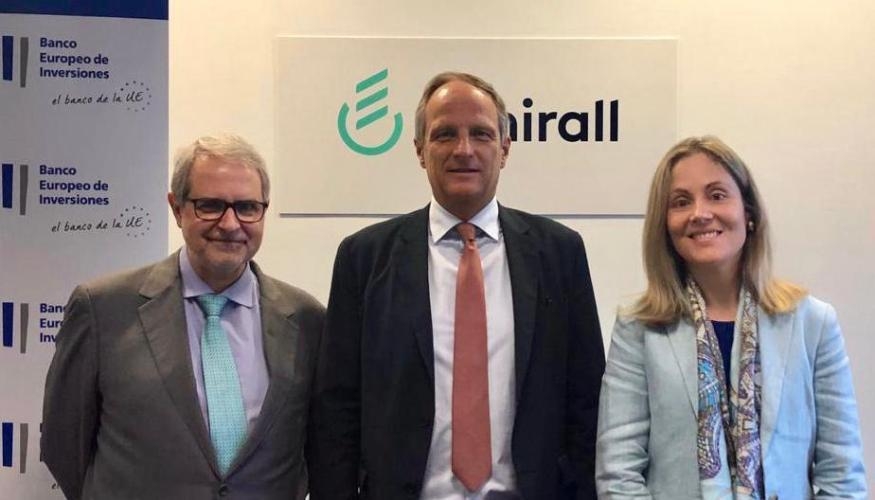
The European Investment Bank (EIB) has today taken a further step forward in fostering innovation in the Spanish and European pharmaceutical sector. By granting a EUR 120m loan to Almirall under the Investment Plan for Europe, the EU bank is financing research into new therapeutic indications for the benefit of patients with severe skin diseases for which there is currently no effective pharmaceutical treatment. EIB Vice-President Emma Navarro, and Peter Guenter, CEO, Almirall, met today in Barcelona to sign the agreement.
With the EIB’s support, Almirall will be able to execute its research, development, and innovation (RDI) focused on developing transformative therapies to improve the quality of life of patients with inflammatory dermatological diseases, selected cutaneous cancers and rare congenital disorders with no effective treatment available. The research will specifically focus on new therapies for atopic dermatitis, psoriasis, actinic keratosis, and effective treatment for a congenital disease such as epidermolysis bullosa.
Almirall will benefit from the EIB’s favourable interest rate and repayment terms, enabling it to implement its innovation strategy on schedule by 2022.
EIB Vice-President Emma Navarro said: “We are delighted to sign an agreement demonstrating the EIB’s firm commitment to fostering innovation and supporting the development of new medication that will improve people’s quality of life. At the same time, the EIB is helping a Spanish leading company in the sector to maintain access to cutting-edge research technologies, thereby securing the future of the highly competitive pharmaceutical industry in Europe”.
Vytenis Andriukaitis, European Commissioner for Health and Food Safety said: “The EU’s dedication to improving availability and access to specialised care has been shown today. There can be no innovative solutions without investment, and so it is vital we continue to guarantee funding at EU-level to ensure companies can develop new medications for diseases which currently have no treatment or cure. Patients must be at the core of every R&D strategy, and so I very much welcome EIB’s support in this field.’’
Peter Guenter, CEO of Almirall, added: “Our commitment to improving patients’ quality of life undoubtedly means forging ahead with our R&D, the mark of Almirall’s identity, developing new effective and efficient medicines. The funding provided by the EIB will make a significant contribution to the realisation of our ambitious research and development plans”.
This agreement between the EIB and Almirall was signed in the framework of the Investment Plan for Europe – the Juncker Plan – which enables the EIB to step up its support for investment projects that help to increase economic growth and employment.