
EBRD steps up green financing in Turkey via Garanti BBVA Leasing
EBRD providing $25 million loan to Garanti BBVA Leasing
Financing under TurSEFF III expands local enterprises’ access to climate finance
Catalysing green investments and supporting small businesses
Reconfirming its commitment to supporting Turkey’s green transition, the European Bank for Reconstruction and Development (EBRD) is providing a US$ 25 million loan to Garanti BBVA Leasing for on-lending to eligible companies looking to invest in greater sustainability.
The new financing for the leasing firm follows a previous EBRD loan of TRY 270.5 million (€50 million equivalent) which has been fully utilised, benefiting almost 600 companies. Investments included projects for energy and water efficiency, waste minimisation and generation of renewable energy at small scale.
The new loan is extended under the third phase of the Turkey Sustainable Energy Financing Facility (TurSEFF) backed by technical cooperation funded by the European Union and the Republic of Turkey’s Ministry of Treasury and Finance. The programme provides financing of €400 million to commercial banks and leasing companies for on-lending to private sector small businesses as well as public sector beneficiaries for sustainable energy investments.
In Turkey, the EBRD is a major institutional investor and to date has invested more than €14 billion in various sectors of the economy through 351 projects, with 95 per cent of these in the private sector. Sustainability is at the heart of its work.
Source: EBRD
Deutsche Bank provides first green financing of commercial aircraft
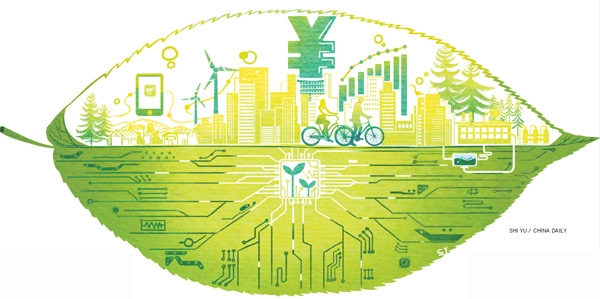
Deutsche Bank is playing a part in lowering carbon emissions in air travel by providing the first ever green financing for a commercial aircraft.
The bank is financing the lease of three low-carbon emission 72-600s planes built by France’s ATR, a leading regional aircraft manufacturer, to Swedish regional airline Braathens Regional Airlines (BRA). The planes are being leased to BRA by Singapore-based leasing company Avation. The first plane was delivered to BRA today.
72-600s aircraft create significantly less environmental impact than other jets and turboprops, emitting 40% less CO2. For shorter distances, they also accelerate air using less power and therefore burn less fuel.
Once BRA receives all of its ordered ATR aircraft early next year, it will operate an entire fleet of ATR 72-600s, helping the airline meet its commitment to reducing its environmental impact. BRA expect to emit 7,500 fewer tonnes of CO2 per aircraft per year as a result.
Replacing old jets with modern alternatives in an arrangement like this is aligned to the Loan Market Association’s Green Loan Principles (GLP), according to Vigeo Eiris, the Environmental, Social and Governance (ESG) ratings agency.
“We are hopeful that this leads the way for more sustainable financing activity in aviation, and increased adoption of lower carbon emission aircraft across the industry, to help make flying more eco-responsible,” said Richard Finlayson, Deutsche Bank’s Head of Global Transportation Finance, Asia.