Blog

  • Υπερδιπλαστιάστηκε η ποινή κάθειρξης του Όσκαρ Πιστόριους

    Υπερδιπλαστιάστηκε η ποινή κάθειρξης του Όσκαρ Πιστόριους

    Η χαρά του Όσκαρ Πιστόριους για τη σκανδαλώδη αποφυλάκισή του μετά από μόλις ένα χρόνο πίσω από τα σίδερα, κράτησε ελάχιστα και μετατράπηκε σε εφιάλτη.

    Στο Νοτιοαφρικανό Παραολυμπιονίκη είχε επιβληθεί αρχικά ποινή κάθειρξης πέντε ετών για φόνο εξ αμελείας, όταν παραδέχθηκε ότι σκότωσε τη σύζυγό του Ρίβα Στέενκαμπ τον Φεβρουάριο του 2013, υποστηρίζοντας ότι πίστευε πως στην οικία τους είχε εισβάλει διαρήκτης.

    Ο Πιστόριους αποφυλακίστηκε μετά από ένα χρόνο, εντούτοις έπειτα από έφεσης της εισαγγελίας, η κατηγορία μετατράπηκε σε ανθρωποκτονία από πρόθεση και του επιβλήθηκε ποινή έξι ετών.

    Το τελευταίο σοκ ήρθε τώρα, καθώς το Ανώτατο Δικαστήριο Εφέσεων της Νότιας Αφρικής αύξησε την ποινή σε 13 χρόνια και πέντε μήνες προς μεγάλη ανακούφιση της οικογένειας του θύματος.

  • Δημόσια πρόταση της «Γ. Αποστολόπουλος» για την εξαγορά του 30% του ΥΓΕΙΑ

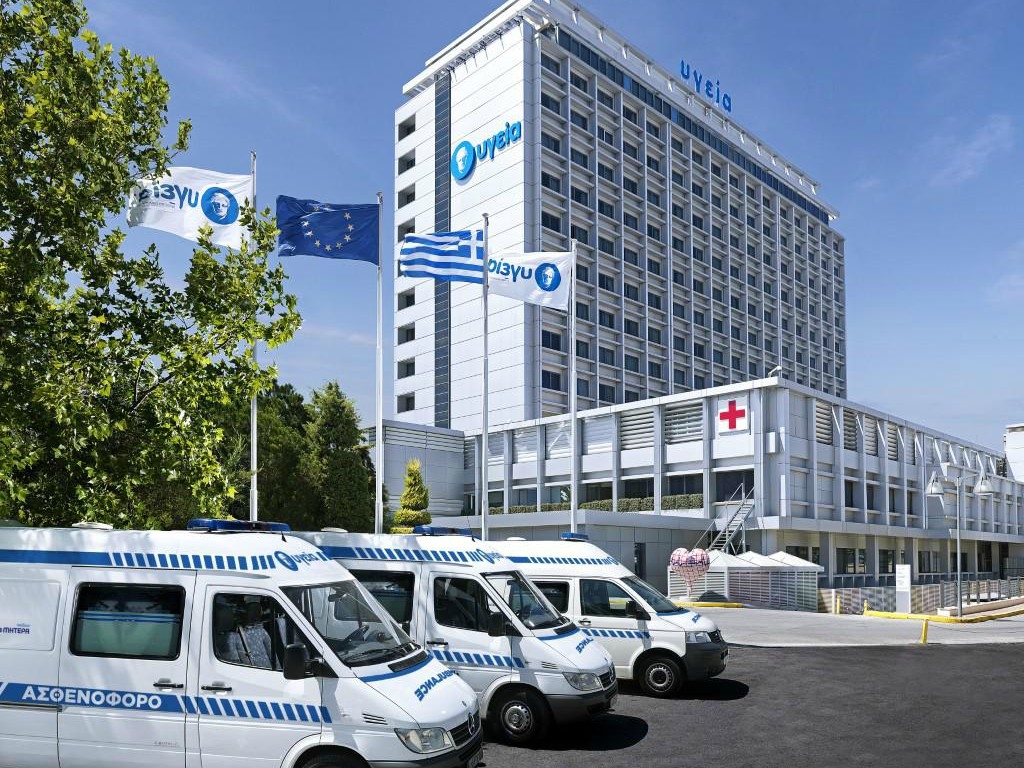
    Δημόσια πρόταση της «Γ. Αποστολόπουλος» για την εξαγορά του 30% του ΥΓΕΙΑ

    Δημόσια Πρόταση για την εξαγορά ποσοστού έως και 30% του «Υγεία» με το τίμημα να διαμορφώνεται σε 0,45 ευρώ ανά μετοχή, υπέβαλε η «Γ. Αποστολόπουλος Εταιρεία Συμμετοχών», ταράζοντας τα νερά στο χώρο της υγείας.

    Όπως χαρακτηριστικά αναφέρεται στην πρόταση, «η ελληνική ανώνυμη εταιρεία με την επωνυμία «Γεώργιος Αποστολόπουλος Εταιρεία Συμμετοχών Ανώνυμος Εταιρεία» ανακοινώνει την υποβολή προαιρετικής δημόσιας πρότασης, σύμφωνα με το Ν. 3461/2006, προς όλους τους κατόχους κοινών ονομαστικών μετά ψήφου μετοχών της ελληνικής ανώνυμης εταιρείας με την επωνυμία «Διαγνωστικόν και Θεραπευτικόν Κέντρον Αθηνών ΥΓΕΙΑ Ανώνυμος Εταιρεία» (στο εξής η «Εταιρεία»), για την απόκτηση από τον Προτείνοντα έως 91.719.731 κατ’ ανώτατο αριθμό Μετοχών, που αντιπροσωπεύουν ποσοστό 30% του συνολικού καταβεβλημένου μετοχικού κεφαλαίου και των δικαιωμάτων ψήφου της Εταιρείας.
    Ο Προτείνων ξεκίνησε τη διαδικασία της Δημόσιας Πρότασης στις 23.11.2017, ενημερώνοντας την Επιτροπή Κεφαλαιαγοράς και το Διοικητικό Συμβούλιο της Εταιρείας και υποβάλλοντας ταυτόχρονα σε αυτούς σχέδιο του πληροφοριακού δελτίου, σύμφωνα με το άρθρο 10 του Νόμου».

    Το Προσφερόμενο Τίμημα υπερβαίνει:

    (α) κατά 39,30% την τιμή κλεισίματος της Μετοχής στο Χρηματιστήριο κατά την ημερομηνία που προηγείτο της Ημερομηνίας της Δημόσιας Πρότασης, η οποία ανερχόταν σε 0,323 Ευρώ,

    (β) κατά 29,40% τη μέση χρηματιστηριακή τιμή της Μετοχής σταθμισμένη με τον όγκο συναλλαγών κατά τους έξι (6) μήνες που προηγούνται της Ημερομηνίας της Δημόσιας Πρότασης, η οποία ανερχόταν σε 0,348 Ευρώ.

    Ως Σύμβουλος για τη Δημόσια Πρόταση ενεργεί η η AXIA Ventures Group Ltd

    Αναλυτικά η ανακοίνωση της «Γ. Αποστολόπουλος Εταιρεία Συμμετοχών Α.Ε.» αναφέρει:

    H «Γ. Αποστολόπουλος Εταιρεία Συμμετοχών Α.Ε.», μια εταιρεία αμιγώς ελληνική, υπέβαλε σήμερα προαιρετική δημόσια πρόταση για την απόκτηση ποσοστού 30% της εισηγμένης εταιρείας Δ.Θ.Κ.Α. Υγεία Α.Ε. (ποσοστό που αντιστοιχεί περίπου στην ελεύθερη διασπορά των μετοχών της).

    Οι αιφνίδιες και απρόβλεπτες από 8ετίας δυσμενείς συνθήκες δημοσιονομικής λιτότητας και με τα επιπρόσθετα εξοντωτικά μέτρα, των rebate και clawback, κατέστησαν τον κλάδο της ιδιωτικής υγείας ευάλωτο. Αποτέλεσμα όλων αυτών ήταν ελληνικές κλινικές να στοχοποιηθούν από ξένα κερδοσκοπικά funds.

    Επιπλέον, μέσω συγκεκριμένων διαδικασιών και εξελίξεων στο ευρύτερο χρηματοπιστωτικό σύστημα, οι τράπεζες απέκτησαν συμμετοχές στον κλάδο της υγείας. Συνακόλουθα ανέκυψε η υποχρέωσή τους απέναντι στο Ταμείο Χρηματοπιστωτικής Σταθερότητας να καταστήσουν, στο επόμενο διάστημα, συγκεκριμένες μονάδες και μάλιστα από τις σημαντικές του κλάδου, αντικείμενα πώλησης.

    Η «Γ. Αποστολόπουλος Εταιρεία Συμμετοχών Α.Ε.», βασικός μέτοχος της εισηγμένης Ιατρικό Αθηνών ΕΑΕ, ξεκινά, αρχής γενομένης από σήμερα, να υλοποιεί το στρατηγικό σχεδιασμό της. Ο σχεδιασμός αυτός περιλαμβάνει κατά κύριο λόγο την απόκτηση συμμετοχών και σε άλλες επιλεγμένες νοσηλευτικές μονάδες που ανήκουν σε εισηγμένες και μη εταιρείες.

    Κύριος σκοπός είναι να στηρίξει με τη μακροχρόνια εμπειρία, τεχνογνωσία και οικονομική της ευρωστία τις μονάδες στις οποίες θα συμμετάσχει, εξασφαλίζοντας έτσι ένα περιβάλλον λειτουργίας υψηλού επιπέδου, σταθερό και προβλέψιμο για όλο το εμπλεκόμενο σύστημα (τους ασθενείς, τους εργαζόμενους, τους γιατρούς, τις ασφαλιστικές εταιρείες, τους προμηθευτές, κ.λπ.).
    Βεβαίως, στον ίδιο αυτό σκοπό εντάσσεται η θέληση και η προσπάθεια της εταιρείας για τη διαφύλαξη της ελληνικότητας του ιδιωτικού κλάδου υγείας.

    Το πρώτο βήμα του σχεδιασμού αυτού αφορά στον Όμιλο ΥΓΕΙΑ και η δημόσια πρόταση για την απόκτηση ποσοστού 30% του μετοχικού της κεφαλαίου κατατέθηκε προκειμένου να αποκτηθεί μια άμεση στρατηγική συμμετοχή στην Εταιρεία.

    Ο Προτείνων («Γ. Αποστολόπουλος Εταιρεία Συμμετοχών Α.Ε.») προσφέρει ένα ιδιαίτερα υψηλό premium για την απόκτηση της στρατηγικής αυτής συμμετοχής, καθόσον το Προσφερόμενο Τίμημα των 0,45 Ευρώ ανά Μετοχή αντιστοιχεί σε κεφαλαιοποίηση 137.579.596 Ευρώ με το 30% να αποτιμάται σε 41.273.879 Ευρώ.

    Το premium, σε σχέση με τη χθεσινή τιμή κλεισίματος της Μετοχής (22.11.2017), αντιστοιχεί σε 39,3%, ενώ σε σχέση με τη Μεσοσταθμισμένη Χρηματιστηριακή Τιμή Μετοχής (ΜΧΤΜ) εξαμήνου σε 29,4% και σε σχέση με τα χαμηλά του έτους 2017 σε 202%.

    Ο Προτείνων φρονεί ότι δίνει στους Μετόχους τη δυνατότητα να αποκομίσουν, με βεβαιότητα και άμεσα, μεγάλες χρηματικές υπεραξίες, απεμπλέκοντάς τους από το συστημικό ρίσκο του κλάδου και της χώρας και προεξοφλώντας έτσι σήμερα ένα καλό μελλοντικό σενάριο».

  • INTRALOT: Αγορά 2.000 ιδίων μετοχών

    INTRALOT: Αγορά 2.000 ιδίων μετοχών


    Σε αγορά 2.000 ιδίων μετοχών προχώρησε η INTRALOT, όπως ανακοίνωσε η ίδια η εταιρεία.

    «Σε εφαρμογή του άρθρου 4 παρ. 4 του υπ’ αριθμ. 2273/2003 Κανονισμού της Επιτροπής των Ευρωπαϊκών Κοινοτήτων, η INTRALΟΤ ανακοινώνει ότι σύμφωνα με το άρθρο 16 του Κ.Ν. 2190/1920 και βάσει της σχετικής απόφασης της Τακτικής Γενικής Συνέλευσης των Μετόχων της 26/5/2016, προέβη στις 23/11/2017 μέσω της BETA Α.Χ.Ε.Π.Ε.Υ σε αγορά 2.000 ιδίων μετοχών με μέση τιμή κτήσης 1,05 ευρώ ανά μετοχή, συνολικής αξίας 2.100,00 ευρώ», αναφέρεται στην ανακοίνωση.


  • Τέλη κυκλοφορίας: Σήμερα η ανάρτησή τους στο TAXISNET

    Τέλη κυκλοφορίας: Σήμερα η ανάρτησή τους στο TAXISNET

    Σήμερα αναμένεται να αναρτηθούν στο TAXISNET τα τέλη κυκλοφορίας του 2018 που δεν θα έχουν διαφοροποιήσεις συγκριτικά με αυτά του 2017.

    Οι φορολογούμενοι θα πληρώσουν ακριβώς τα ίδια τέλη με αυτά που κατέβαλαν τον περασμένο Δεκέμβριο παρά τις δεσμεύσεις του οικονομικού επιτελείου για σημαντικές αλλαγές.

    Οι ιδιοκτήτες οχημάτων ανάλογα με τα κυβικά και το έτος πρώτης κυκλοφορίας του οχήματός τους θα πληρώσουν τέλη κυκλοφορίας που κυμαίνονται:

    Από 22 έως 1.230 ευρώ για οχήματα που κυκλοφόρησαν έως το 2000.

    Από 22 έως 1.260 ευρώ για οχήματα που κυκλοφόρησαν από 2001 έως 2005.

    Από 22 έως 1.380 ευρώ για οχήματα που κυκλοφόρησαν από 2006 έως 2010.

    Για τα αυτοκίνητα που κυκλοφόρησαν από την 1η Νοεμβρίου 2010 και μετά τα τέλη κυκλοφορίας υπολογίζονται με βάση τις εκπομπές ρύπων.

    Για να εκτυπώσει κάποιος το ειδοποιητήριο στο οποίο αναγράφεται ο κωδικός για την πληρωμή των τελών θα πρέπει να μπει στην ειδική ηλεκτρονική εφαρμογή του Taxisnet και να ακολουθήσει τα εξής βήματα:

    Στην Υπηρεσία προς τους Πολίτες επιλέξτε την ένδειξη «Εντυπο Τ.Κ. 2017».

    Στη συνέχεια, στην ειδική φόρμα που εμφανίζεται συμπληρώστε τον ΑΦΜ και τον αριθμό κυκλοφορίας του οχήματος.

    Με την ολοκλήρωση της αναζήτησης, θα πρέπει να δώσετε την εντολή εκτύπωσης για να εμφανιστεί το ειδοποιητήριο με τα τέλη κυκλοφορίας του 2018.

    Τα νέα τέλη κυκλοφορίας θα πρέπει να πληρωθούν έως τις 31 Δεκεμβρίου 2017.

    Για όσους δεν πληρώσουν εμπρόθεσμα τα τέλη κυκλοφορίας προβλέπεται η επιβολή προστίμου ίσου με την αξία τους.

  • ERGO cooperates with Technical University of Munich

    ERGO cooperates with Technical University of Munich

    ERGO and the Technical University of Munich (TUM) are establishing a joint “Center of Excellence” in the context of a new collaboration. The project will focus on the exchange of knowledge between the Department of Mathematics and ERGO. This will benefit both partners equally.

    In founding the “Center of Excellence”, ERGO and TU Munich are pursuing the goal of advancing mathematical models for the insurance industry. Over the next five years, research projects will be initiated, guest professors will be invited and seminars and workshops will be held.

    Prof. Rudi Zagst, head of the Chair of Mathematical Finance, says: “Through this cooperation, we have successfully bridged the divide between research and practice. We are thrilled to have won ERGO, one of the largest insurance groups in Europe, as a partner. They will help us bring together science and business, and integrate them intelligently. We are very much looking forward to our future collaboration.”

    ERGO will support the TU Munich in its endeavor to advance research in the actuarial domain. The main thrust of the cooperation will be the transfer of cutting-edge research knowledge, as well as to raise the awareness in students for concrete practical experience. A further aim is to recruit next-generation talents – actuaries, for example.

    Dr. Ulf Mainzer, labour director at ERGO, emphasizes: “We intend to intensify our contacts with talents that we hope to foster in suitable positions within the company. TU Munich is among the most renowned universities in Germany. Currently, there are around 1,000 students enrolled in a mathematical degree program. This cooperation provides an excellent basis for attracting talented, junior employees to ERGO.”

  • Allianz study: Millennials optimistic despite gloomy expectations

    Allianz study: Millennials optimistic despite gloomy expectations

    • Millennials anticipate a gloomy future for their generation, expecting financial and career prospects to become limited
    • Yet, four out of five young people expect their life to improve in the next five years
    • Over 70% of millennials desire employment stability and security over the “flexibility and freedom” offered by the gig economy

    Millennials believe the world is more difficult and complex than their parents faced at the same age and are gloomy about the career prospects of their generation. They expect artificial intelligence and robotics to disrupt the workplace, and that employment insecurity and pressure in the workplace to perform will increase.

    Yet, a new international Allianz survey shows they remain personally upbeat. Around 90 percent of millennials in the U.S. and India expect their life to improve in the next five years. In China, Germany and in the UK, it is 83, 74 and 71 percent respectively.

    Coming of age

    The last born millennial (1982-1999) will turn 18 shortly before midnight on New Year’s Eve.i The Allianz “Millennials: Work, Life and Satisfaction” survey asked 5,000 millennials in employment in five countries (Germany, the UK and the U.S., as well as China and Indiaii) about their attitudes and beliefs concerning work, family and the future. What emerges is a picture of a generation insecure about their employment future and seeking stability and security.

    “In discussions about millennials it is inevitably commented that they are the first generation to grown up in the digital era,” says Dominik Hahn, Global Head of People Attraction at Allianz. “This implies they are “different,” but technology has not magically freed them from the basic needs and desires all individuals share – and this comes out strongly in our survey.”

    He adds: “In terms of work, the reasons why people seek a specific job or employer to work for have not changed dramatically since the dawn of the Industrial Revolution over 230 years ago.”

    What millennials want from work

    The majority of employed millennials desire traditional career paths. Only 15 percent job-hop by preference. Eighty percent of American millennials, 75 percent of Indian millennials, and 70 percent in China, Germany and the UK value career security and stability over the change and flexibility of the gig economy.

    Overall, millennials are satisfied with their current jobs. Four out of five employed millennials in India and the U.S. are at least somewhat satisfied with their job. In Germany and the UK, it is roughly three out of four. China is an exception, with only slightly more than one out of two Chinese at least somewhat satisfied with their work.

    Circumstances, not preferences

    Millennials long for the conditions under which their parents grew up with. Fifty percent or more in all surveyed countries believe their parents were happier at the same age. This is most strongly felt in China and India. At the same time, over 60 percent of respondents in India, the UK and the U.S. also believe their parents were the same or better off financially.

    Millennials also view the career prospects of their generation negatively, expecting more work in the future to be done by machines (U.S. 78%, DE 74%, IN 74%, CN 72%, UK 68%) and the number of permanent positions will continue to decrease. About 70 percent of respondents expect pressure to perform in the workplace to increase and work to become more demanding.

    “What is remarkable,” says Dominik Hahn, “is that given the hurdles they see ahead for their generation, millennials remain positive about their own prospects. Over 80 percent expect their lives to improve over the next five years.”

    “As this survey shows, millennials – regardless of where they are located – have similar career aspirations to generations that preceded them. If they job-hop, it is largely because of circumstances and not preferences. They are simply responding to the changing nature of work,” he concludes.

    Snapshot of millennials

    • Most prefer security and stability. Roughly 80% of American millennials and 75% of Indian millennials prefer employment that provides this over change and flexibility.
    • Germans prefer the possibilities of new career paths more than other countries surveyed. Some 16% identified themselves as pursing this type of career and another 16% expressed a desire for such a career.
    • However, Germans are the least likely to move abroad even if it is beneficial to their career (30%), with most preferring to establish roots in their community. Chinese (62%) and Indian (57%) millennials were the most positive about moving.
    • American (74%) and Indian (70.5%) millennials are positive about remote work, while 53.7% of Germans consider it likely to increase working hours. The Germans also hate open offices (76%) seeing them as bad for concentration. UK and U.S. millennials are split, while the Chinese (62%) and Indian (56.7%) are enthusiasts.
    • 81% of U.S. millennials are “satisfied or extremely satisfied with their current job” followed by Indian millennials (79%). Only 56.8% of Chinese millennials reported the same.
      Millennials in all countries thought their generation more likely to break social rules, except those in the U.S., who associated this with their parents’ generation.
    • Almost half in the U.S. and the UK believe their parents were better off financially at the same age. Chinese millennials overwhelmingly (71%) believe their parents were happier at the same age, while 70% of Germans feel the world has become a more complex place. Millennials in India strongly believe they have lost out in comparison to their parents, particularly in terms of workplace security and social benefits.
    • Despite the many hurdles they see, particularly relating to work, millennials believe they personally have a bright future. Around 90% of millennials in China, India and the U.S. expect their life to improve in the next five years (Germany 74%, UK 71%).


  • Chubb Creates Small Commercial Division for SMEs in Asia Pacific

    Chubb Creates Small Commercial Division for SMEs in Asia Pacific

    Chubb announced today the establishment of a division in Asia Pacific dedicated to the risk management needs of Small, Medium Enterprises (SMEs). This new business division focuses solely on delivering a sustainable value proposition to SMEs through innovative products, tailored distribution strategies and convenient sales platforms. Three new appointments have been made for the Small Commercial Division:

    Michael Cellura, Head of Small Commercial Division, Asia Pacific. Mr. Cellura has been with Chubb for more than 10 years and has a wealth of international underwriting and business development experience. He was previously at Chubb in Japan leading the Property & Casualty business for four years. Mr. Cellura is now tasked with bringing to bear the full capabilities of Chubb’s product innovation and channel expertise in agency, bancassurance, broker and digital channels, to serve the needs of small commercial businesses. 

    Kieran Brennan, Head of Product Development, Small Commercial Division, Asia. Mr. Brennan will focus on product design as well as the development of processes and service for SMEs. An underwriter since he began his career in the UK more than 20 years ago, he was previously with an international insurer as their Asia Pacific Chief Underwriting Officer for the SME Division. 

    Rob Cameron, Head of Actuarial, Small Commercial Division, Asia Pacific. Mr. Cameron has deep actuarial experience having worked at Chubb for over 15 years; first as an Actuarial Services Manager for Australia and New Zealand and later, as the Regional Property & Casualty Actuary. In his new role, he will further develop new actuarial models specifically for SMEs to ensure Chubb’s value proposition is customised for this market segment.

    On the new Small Commercial Division, Chubb’s Regional Head of Property & Casualty, Jason Keen said, “The SMEs’ demands for risk management are rapidly evolving as they continue to play an expanding role in the local economies across the region. With Chubb’s superior underwriting expertise, award-winning claims and account services, we can provide SMEs a differentiated offering to help them thrive. I’m confident that Michael, Kieran and Rob, in collaboration with the local SME teams in each country, will be able to tap the many opportunities to grow this exciting new division together with our existing clients and distribution partners”.

  • Plymouth Rock Assurance to Fill Rideshare Insurance Gaps With New Coverage for PA Drivers

    Plymouth Rock Assurance to Fill Rideshare Insurance Gaps With New Coverage for PA Drivers


    Plymouth Rock Assurance is introducing two new insurance options that can help part-time Pennsylvania rideshare drivers cover medical expenses, damage to their car and more while working for Transportation Network Companies (TNCs) like Uber and Lyft.

    Many Pennsylvania drivers seeking to benefit from the sharing economy don’t realize that:

    • Personal auto insurance policies across the industry generally do not cover any aspect of rideshare driving.
    • Rideshare drivers often are not fully covered by insurance policies provided by TNCs.
    • Gaps in coverage could force rideshare drivers to pay out of pocket for damage to their car or their medical expenses.

    “Rideshare companies are required to provide coverage for passengers, but huge coverage gaps may exist for drivers,” said Gerry Wilson, Plymouth Rock’s executive for Pennsylvania auto business. “Our new rideshare insurance allows Plymouth Rock customers to better protect themselves while participating in the sharing economy.”

    TNCs provide low-limit coverage when drivers are signed into the TNC network and waiting for a fare (known as period 1). During this time, TNC policies generally do not offer coverage for damage to the driver’s car and only low-limit coverage for injuries to others or damage to others’ property.

    TNCs provide commercial policies for drivers when they are on the way to pick up a passenger (period 2) and when a passenger is in the car (period 3). During these periods, a typical TNC policy only provides drivers with low-limit coverage for their own injuries, and potentially higher collision and comprehensive deductibles than drivers carry on their personal auto policy.

    Plymouth Rock’s coverage allows rideshare drivers to fill some potential insurance gaps. Drivers have their choice of two options:

    • The basic rideshare driver endorsement offers excess coverage that expands what drivers receive from TNCs in period 1.
    • The enhanced rideshare driver endorsement includes the basic coverage, along with excess coverage for periods 2 and 3. Plus, Plymouth Rock will cover the difference in the physical damage deductible on the driver’s personal policy and the deductible on the TNC policy in those two periods.

    The endorsement costs will vary by customer. Plymouth Rock estimates an average cost of $15 per month for the basic coverage, and $26 per month for the enhanced.

    “This is another example of how we’re meeting our customers’ evolving needs with industry-leading, innovative products,” Wilson added.


  • National Bank of Greece: New member of the Board of Directors

    National Bank of Greece: New member of the Board of Directors

    ​The National Bank of Greece S.A. (the “Bank”) announces that, its Board of Directors, during today’s session, unanimously resolved upon the election of Mr. Costas Michaelides as new non-executive member and Vice-Chairman of the Board of Directors, in order to succeed the current Board Chairman, Mr. Panayotis Thomopoulos, from January 1st, 2018, in accordance with the existing corporate governance principles framework and in particular the BoD members’ and Senior Executives’ Succession Policy of the Bank.

    Mr. Michaelides possesses exceptional experience of over 30 years in the banking sector, having served in top positions in financial institutions and international financial organisations.

    It is noted that, in accordance with the provisions of the legal and regulatory framework, the election of credit institutions’ new Board members is subject to approval and constant review by the Single Supervisory Mechanism (SSM) of the European Central Bank.

  • Eurobank: Completion of the sale of non-performing loan portfolio to Intrum Hellas DAC

    Eurobank: Completion of the sale of non-performing loan portfolio to Intrum Hellas DAC

    Eurobank Ergasias SA. (“Eurobank”) hereby announces that, following the agreement and relevant announcement of 5th October 2017, the sale of the non-performing unsecured consumer loan portfolio of unpaid total principal amount of €1.5bln to Intrum Hellas DAC, a company controlled by Intrum Group, was completed on November 13, 2017. The servicing of the portfolio has been delegated to Financial Planning Services S.A. (FPS), which is the 100% owned by Eurobank licensed NPL servicer.